












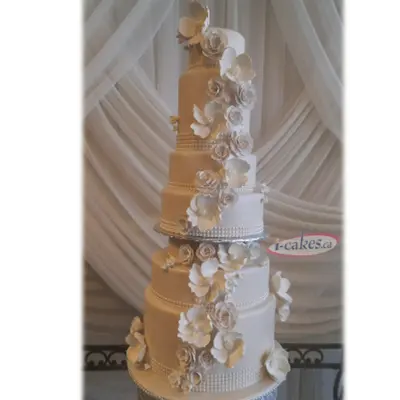


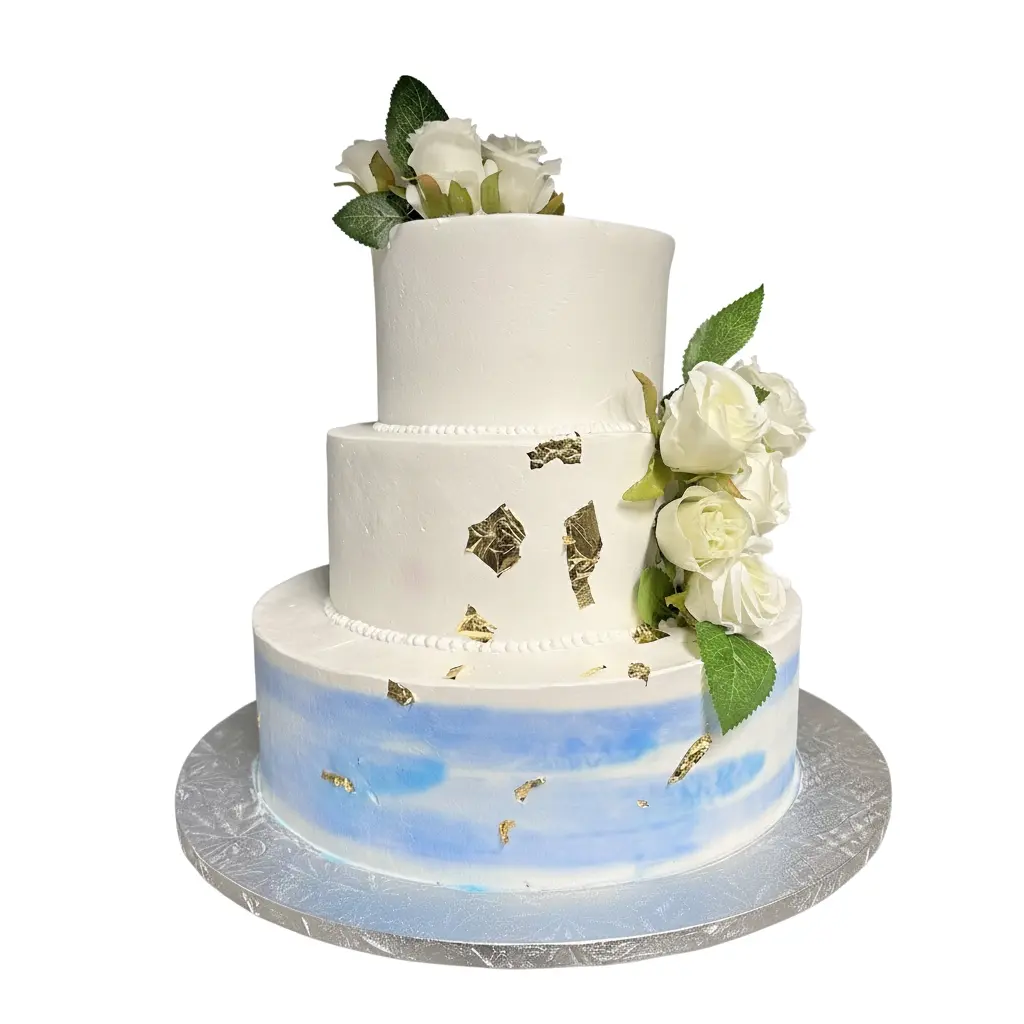

There’s something about a wedding cake that just captures attention. Maybe it’s the size—the way it stands tall at the center of the reception—or the way everyone gathers around it, waiting for that big slice. I’ve been to a few weddings where, honestly, the cake felt like the main event. Not the vows, not the speeches, but that cake, sitting there like a centerpiece. I don’t think I’m alone in that, either.
In Canada, wedding cakes have this almost universal appeal. They’ve become more than just a dessert—they’re a tradition, a statement, and, for some, a bit of a personal expression. And, well, maybe that’s why they’re among the most popular cakes in the country.
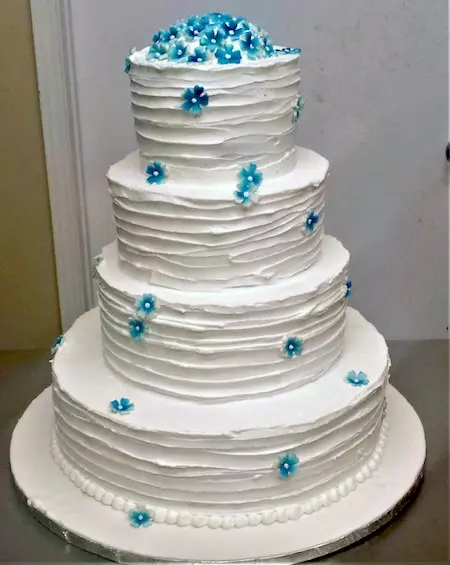
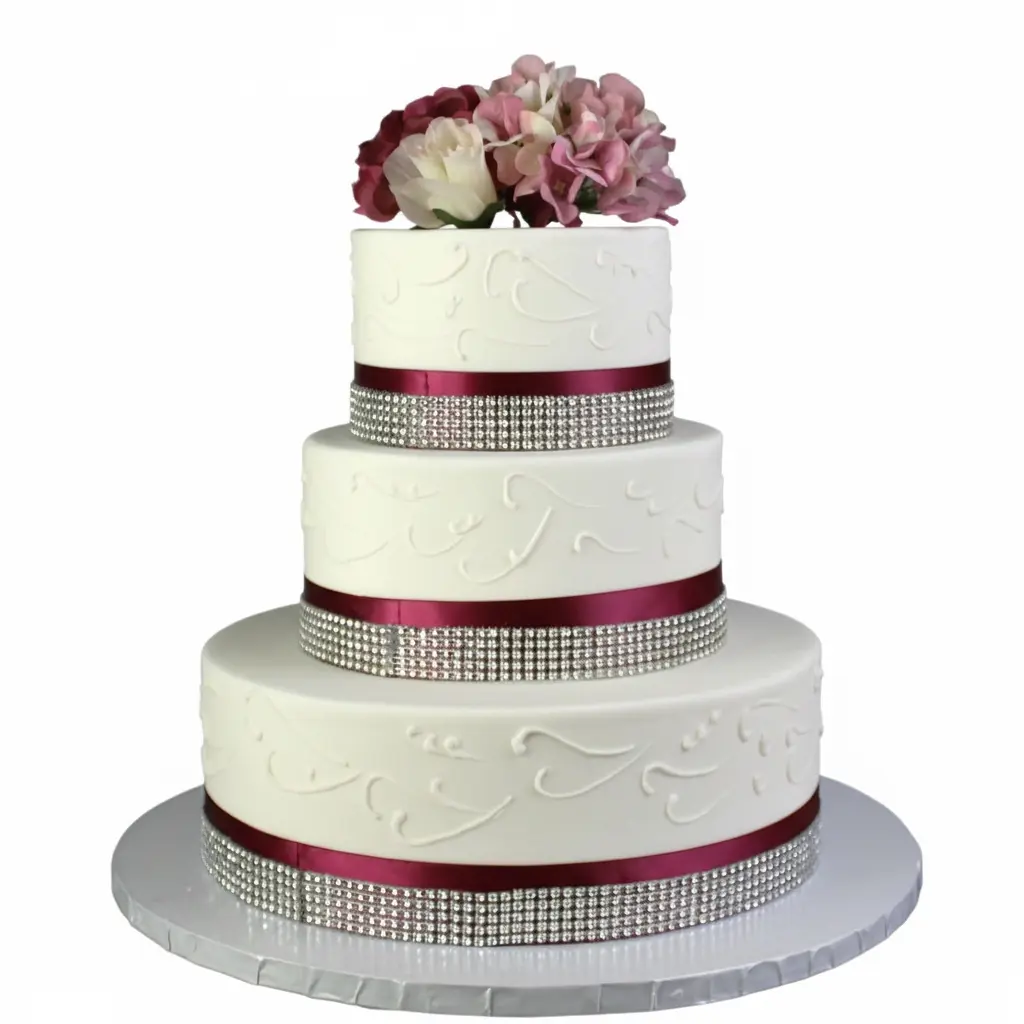
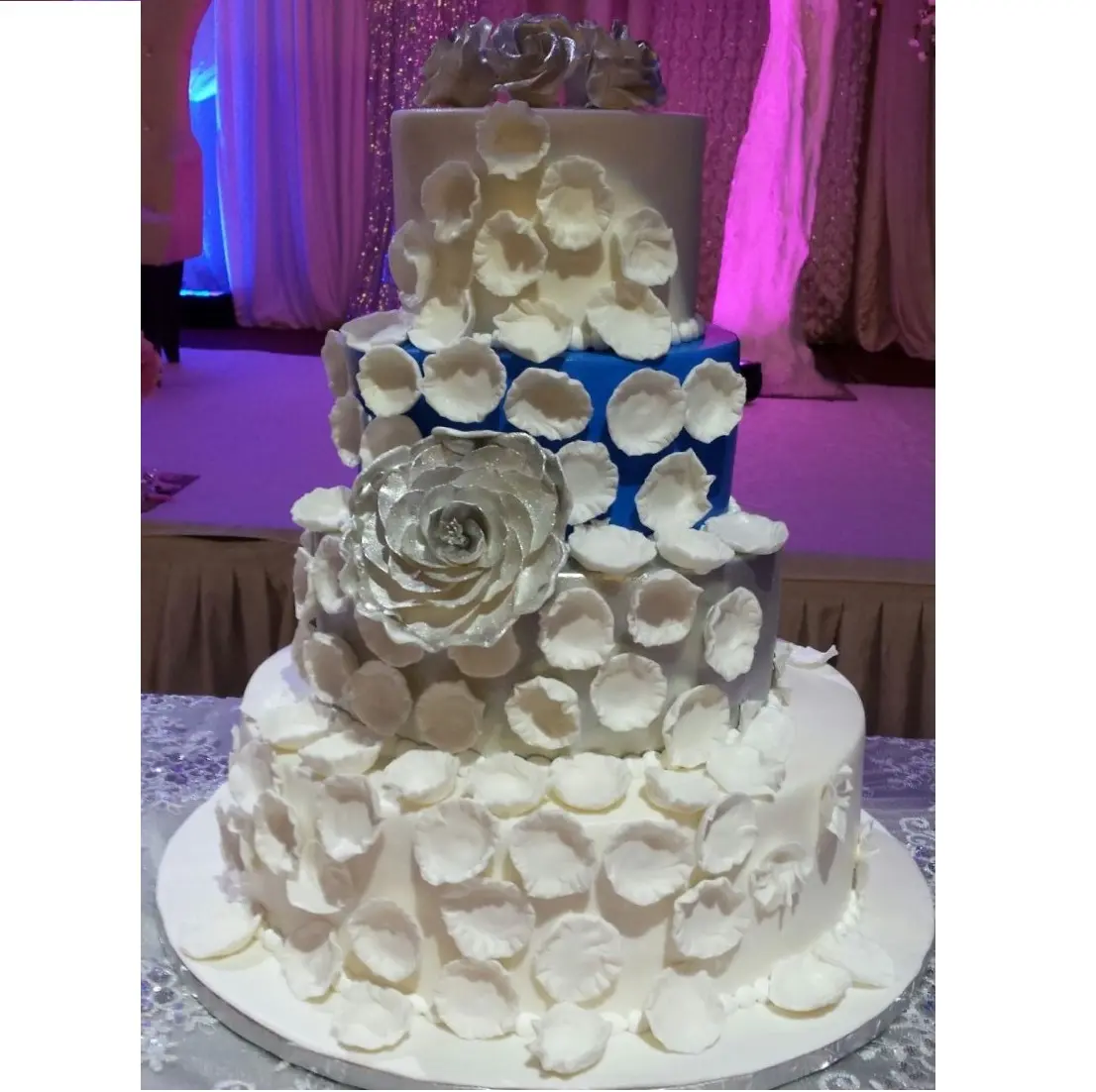
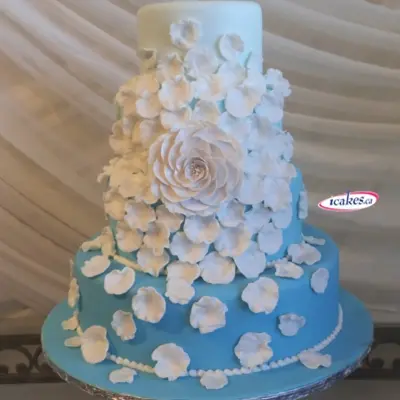
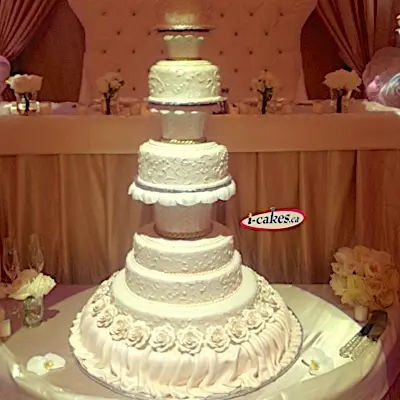
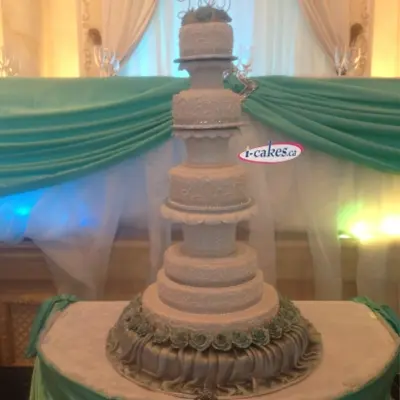
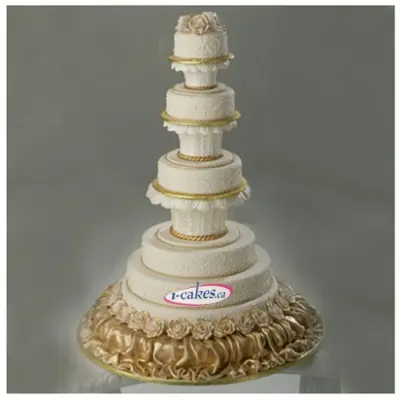
Let’s be honest—when you picture a wedding, there’s a good chance you’re also picturing a cake. Whether it’s a towering, multi-tiered creation with sugar flowers or a simpler, more rustic-looking design with fresh fruit, the cake is always there. It’s expected. It’s part of the script.
Of course, not every wedding cake is the same. Some couples go for something grand and elaborate, while others choose a smaller cake with just one or two tiers. I remember attending a wedding last summer in Toronto where the couple opted for a naked cake—no icing, just layers of sponge and cream with berries. It looked effortless, almost casual, but somehow it still felt just right for them. It’s funny how something that simple could still be considered a “wedding cake” and still draw everyone’s attention.
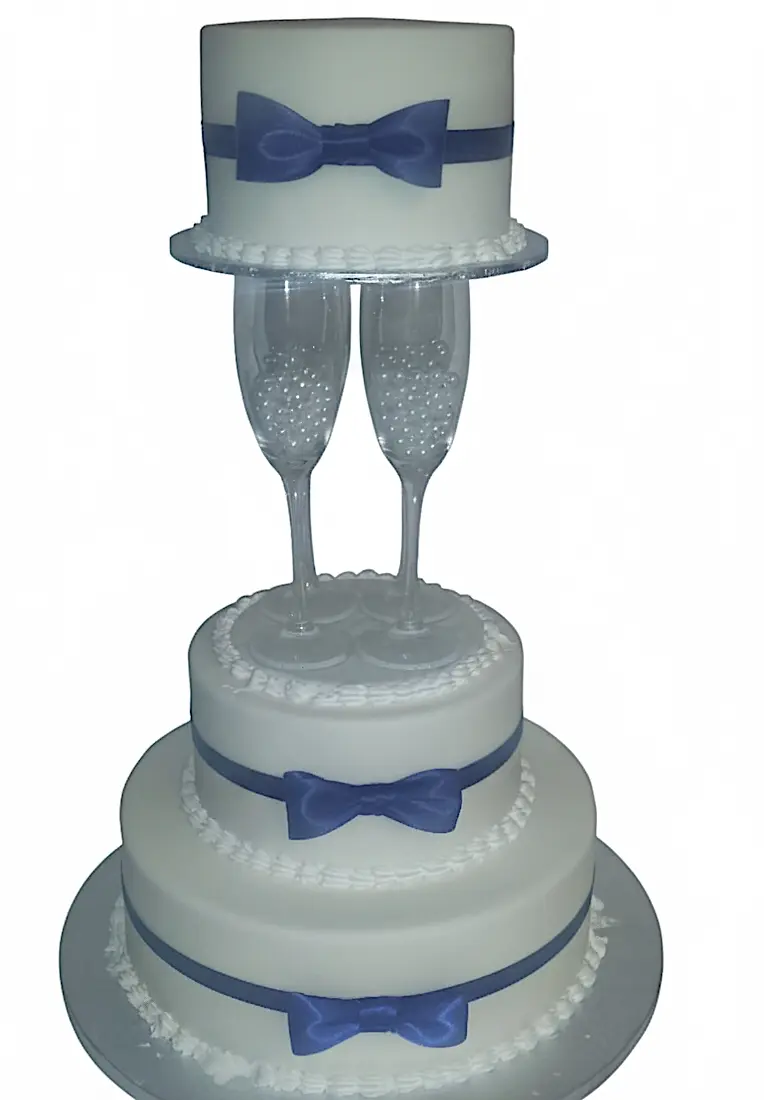
I guess that’s part of the charm. Wedding cakes can be whatever a couple wants them to be. They can be traditional, modern, quirky, or even a little understated. There’s no one-size-fits-all rule, but regardless of the design, the cake remains a symbol of celebration.
And let’s not forget the photos. Wedding photographers in Canada know this well—the cake is one of those must-capture moments. There’s the shot of the cake itself, of course, and then the classic “cutting the cake” moment. Some couples look a bit awkward during that part, while others really lean into it—feeding each other bites, sometimes smashing cake into each other’s faces. Either way, it’s a shared laugh, a moment of levity in what can otherwise be a fairly structured event.
Now, if I think about why wedding cakes are so popular specifically in Canada, a few things come to mind. First, there’s the cultural mix. Canada is a country with such a diverse population, and that diversity shows up in the kinds of wedding cakes people choose. You’ll see traditional white tiered cakes alongside South Asian-inspired designs dripping with gold, or perhaps a cake adorned with French patisserie elements. Each reflects not just personal taste, but a blending of traditions.
But perhaps it’s also the climate. Hear me out: Canadian weddings, especially in the summer, often take place outdoors or in venues where the cake needs to make a statement without being overshadowed by other elements. I’ve seen cakes decorated with seasonal flowers—peonies, roses, even wildflowers—chosen to match the local flora. In winter weddings, though, it’s more common to see cakes with intricate icing patterns, snowflake designs, or even cool, minimalist colors like icy blue or silver. The cake somehow adapts to the season, becoming part of the overall atmosphere.
Of course, wedding cakes aren’t cheap. I mean, they can be surprisingly expensive. Depending on the design, the size, and the bakery, a wedding cake in Canada can cost anywhere from a few hundred dollars to several thousand. That’s not to say everyone splurges—I’ve seen some couples opt for a smaller cake and then supplement it with a dessert table or cupcakes. But still, the cake is often one of the bigger-ticket items on the wedding budget.
Does that make it worth it? Well, it depends who you ask. Some would argue that a wedding cake is essential, that it’s part of the visual impact of the day. Others might say it’s just cake, and you’re paying for the design more than the flavor. But even those skeptics often admit that when it’s done right, a wedding cake can feel magical.
Speaking of flavor, I think this is another reason why wedding cakes are so beloved. Gone are the days when you’d expect a dry sponge covered in too-sweet fondant. Modern Canadian bakeries are experimenting with all sorts of flavors—lemon and elderflower, rich chocolate ganache, raspberry with white chocolate, even salted caramel. I’ve heard of some couples opting for multiple tiers with different flavors, so guests can choose what they like best.
I remember once tasting a lavender and honey wedding cake at a small wedding in British Columbia. It wasn’t the flashiest cake I’d ever seen, but the flavor was subtle, surprising, and honestly? Unforgettable. It reminded me that wedding cakes don’t have to be flashy to leave an impression.
And there’s a social aspect to it as well. The cake-cutting moment is one of those times when everyone comes together. Guests put down their drinks, the music dims, and all eyes turn to the couple. It’s a pause, a breath in the midst of the celebration. It doesn’t matter if it’s a towering masterpiece or a modest one-tier cake—the symbolism is still there. It’s about sharing, about creating a moment that marks the day as special.
There’s also, I think, a certain nostalgia around wedding cakes. Even people who aren’t particularly into cake often remember the one at their own wedding or a friend’s. There’s this quiet expectation that the cake will be there, even if it’s not a centerpiece. Maybe that’s why the tradition has stuck around so strongly in Canada, where people appreciate both old customs and new twists.
Of course, trends come and go. Some couples are skipping cakes entirely, opting for doughnut walls or macaron towers. But somehow, the wedding cake still feels timeless. Maybe because it’s one of those traditions that evolves with the times. Even when people opt for alternatives, they often incorporate a small ceremonial cake—something to cut for the photos, for the memory.
In the end, perhaps wedding cakes are popular in Canada because they’re more than just dessert. They’re a symbol, a statement, a gathering point. They’re about flavor and style, yes, but also about emotion. About marking a moment in time. And maybe, just maybe, that’s why people keep coming back to them, year after year, celebration after celebration.