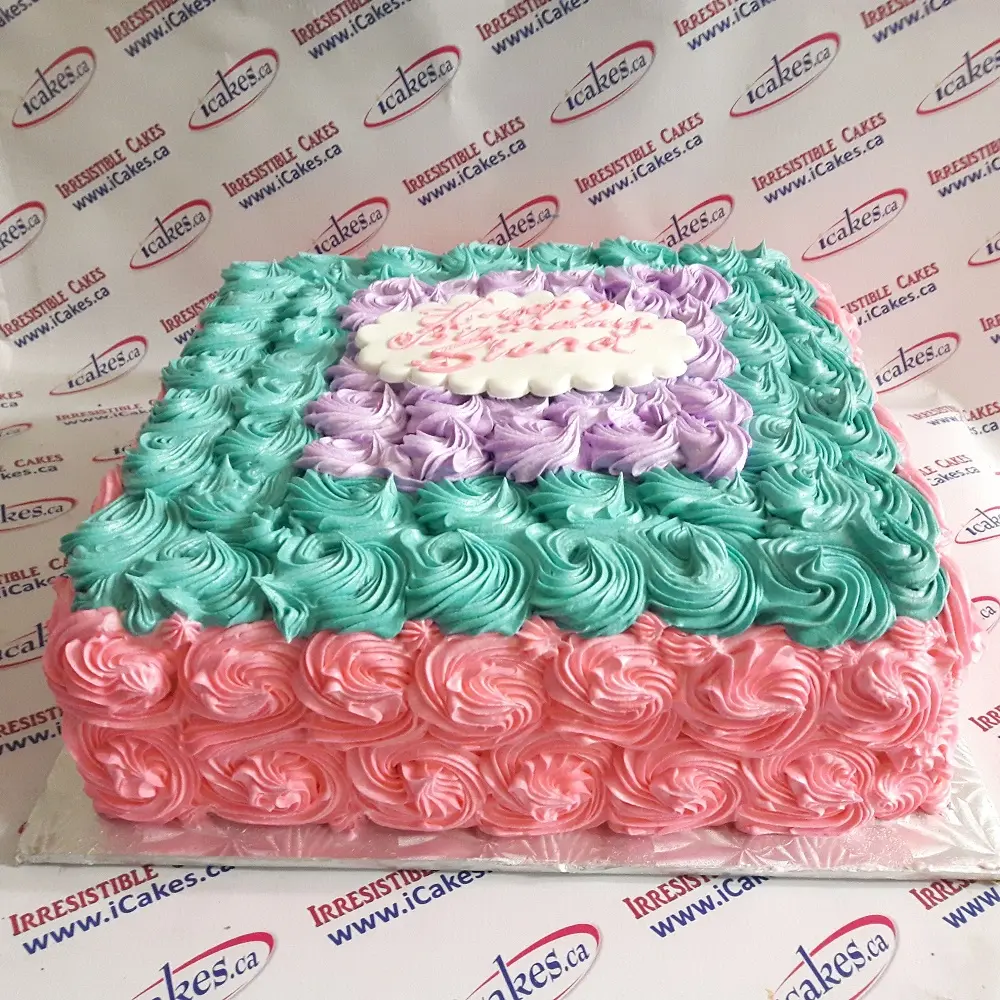
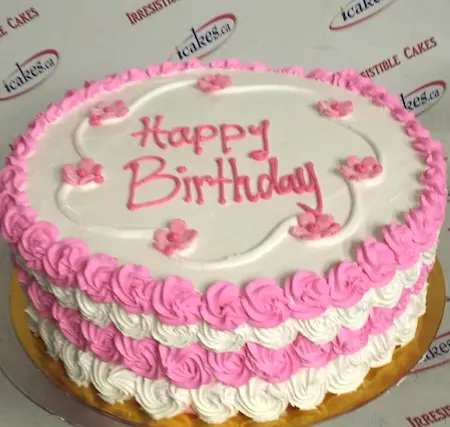
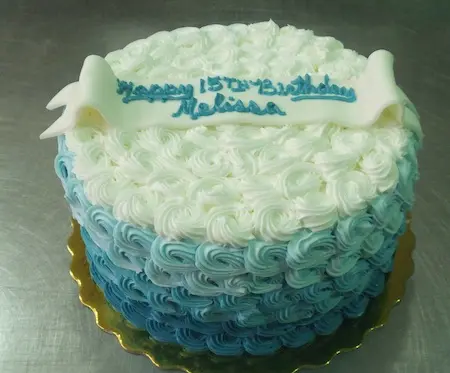
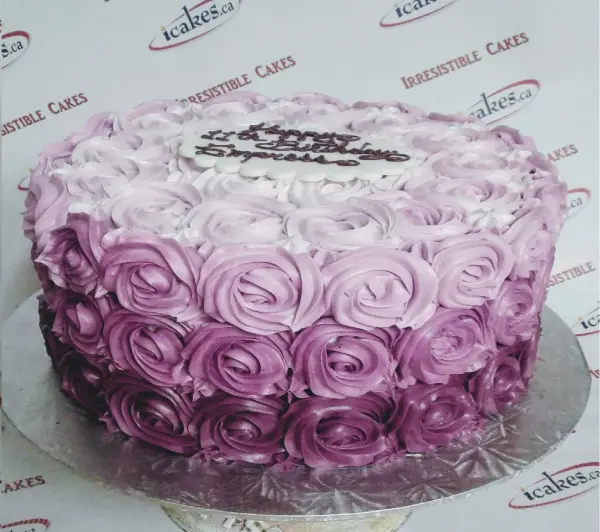
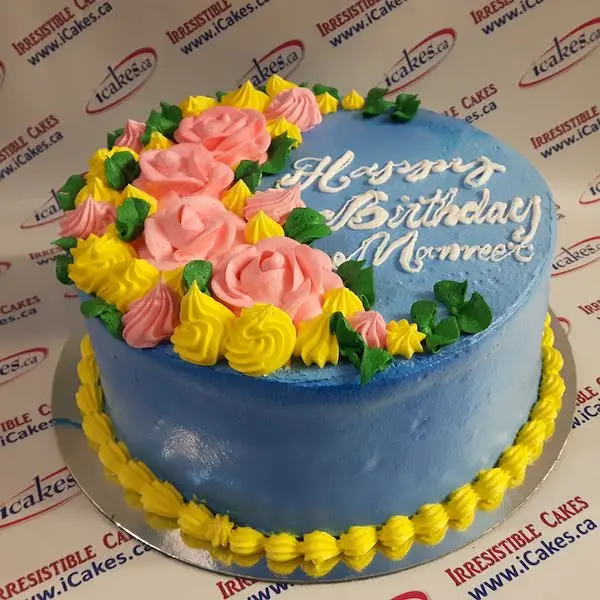
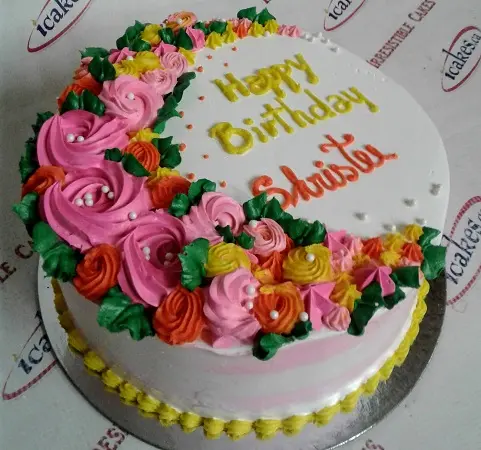
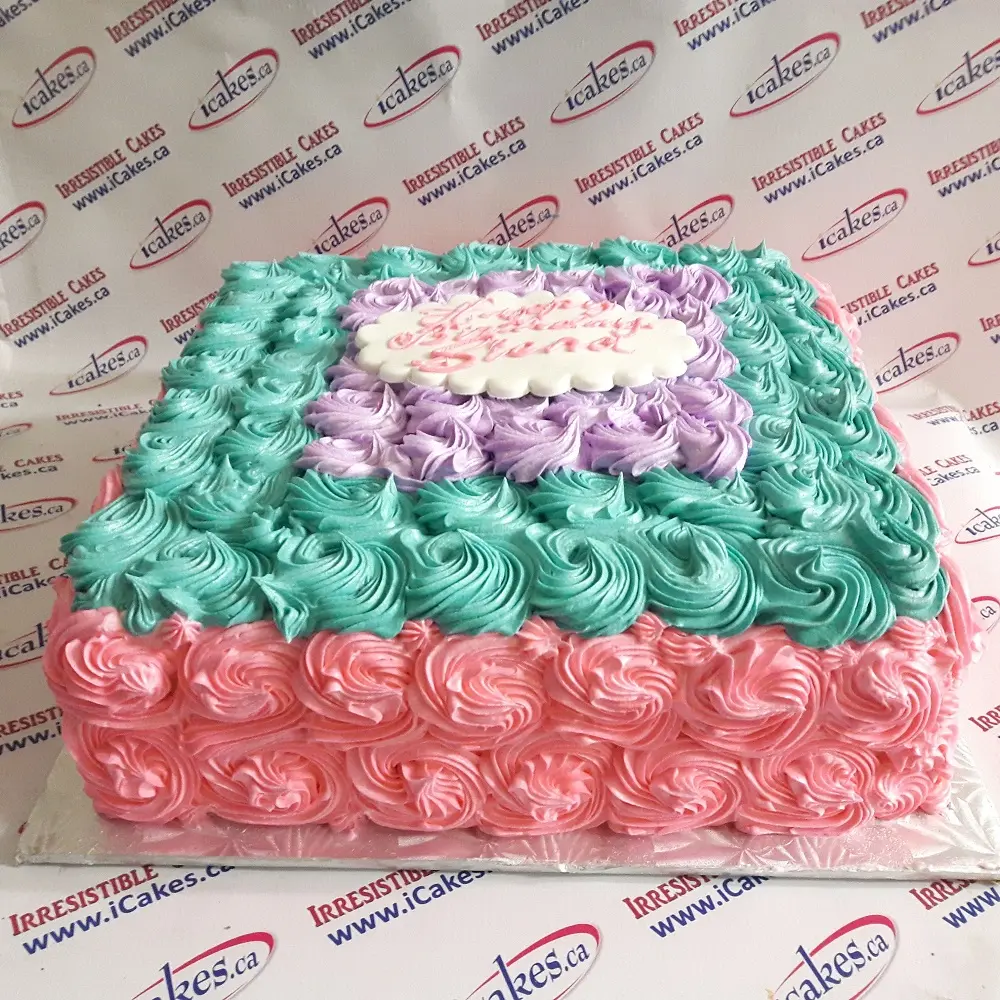
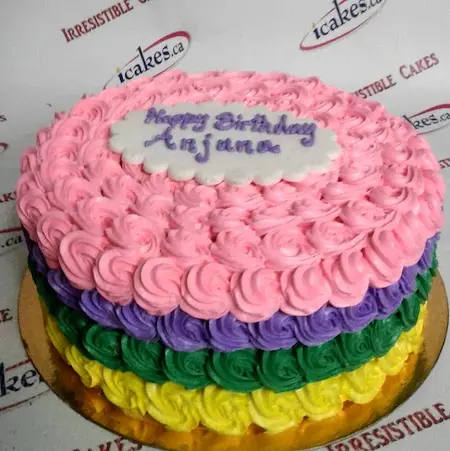
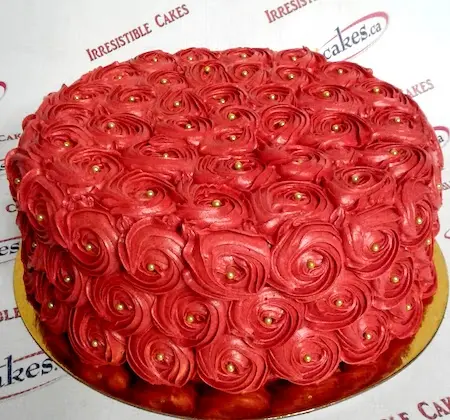
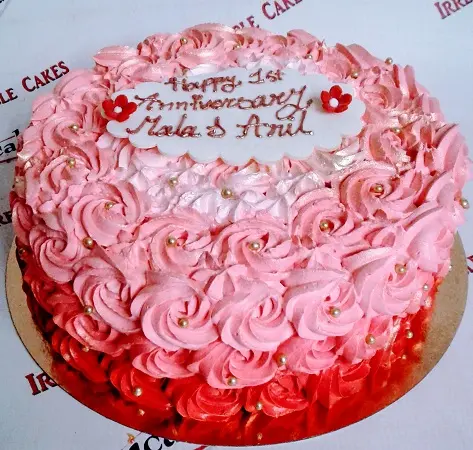
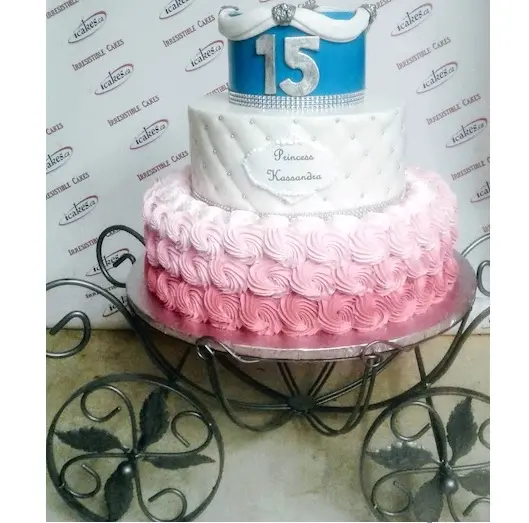

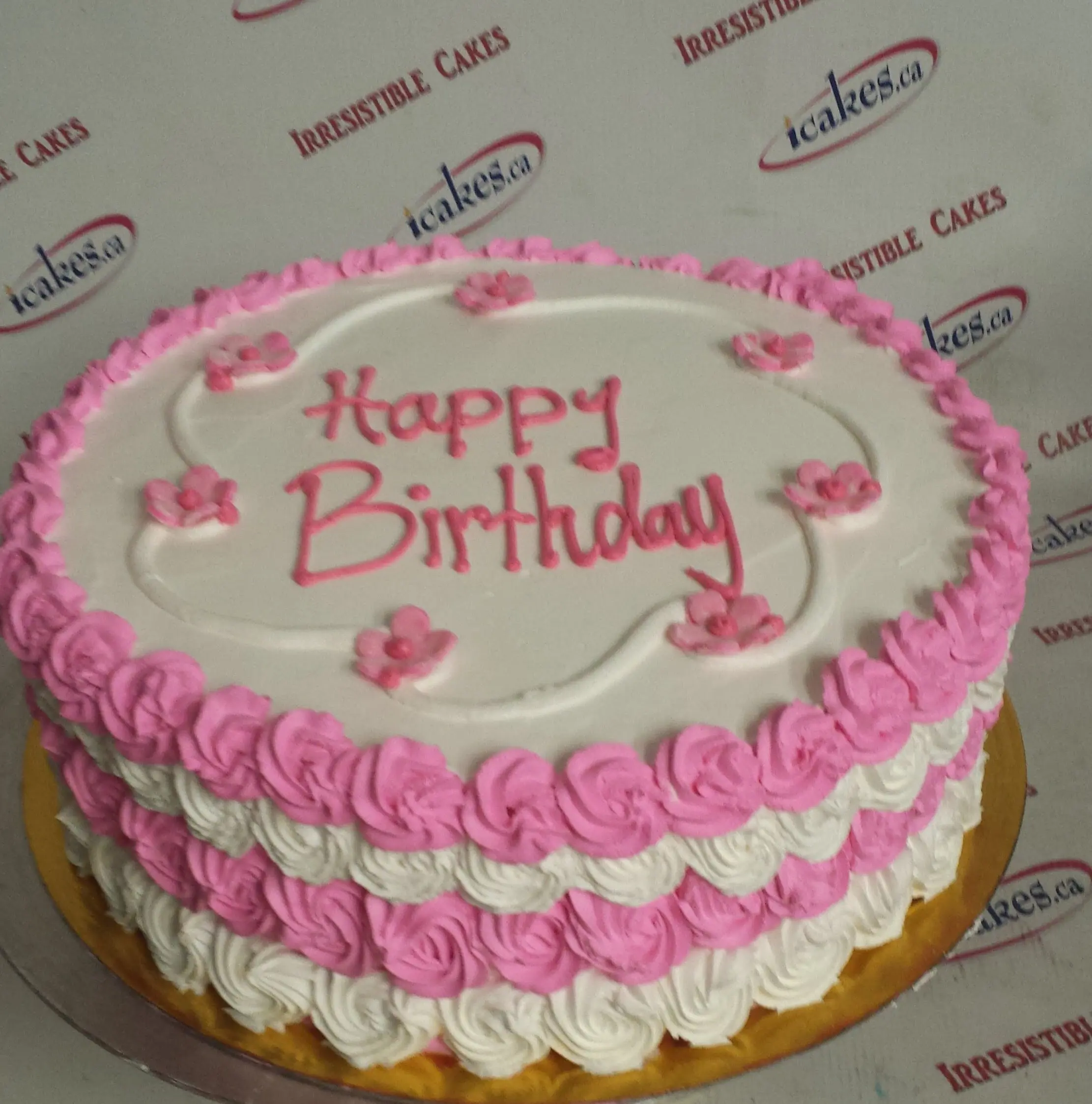
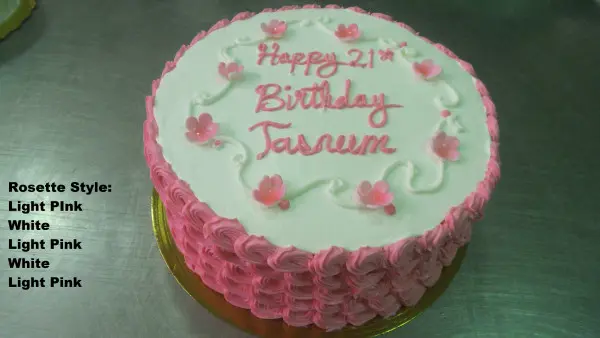


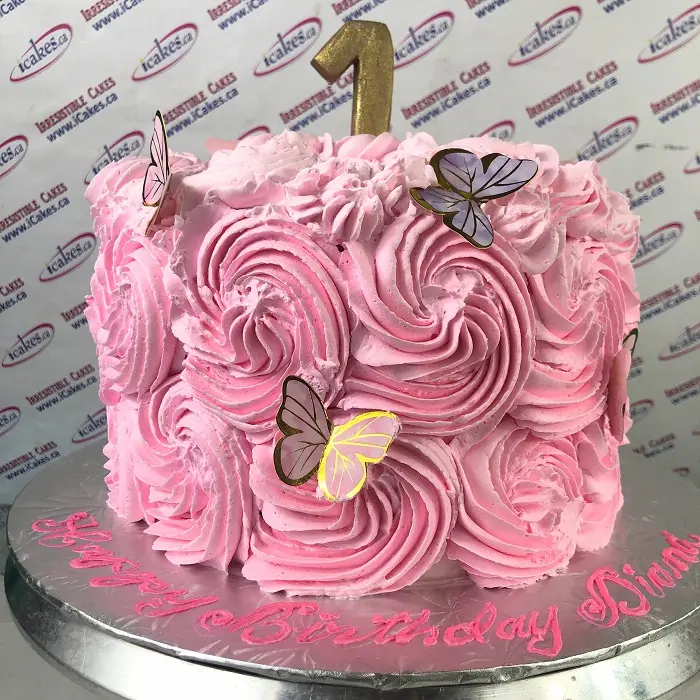
If you’ve ever been to a celebration—say, a birthday, a wedding shower, or even just a casual family gathering—you’ve probably noticed a cake that, at first glance, looked almost too pretty to eat. You know the ones I mean: covered in delicate, swirling patterns of frosting that seem to bloom right off the surface. Those are Rosette Cakes, and, well, they’ve quietly taken over dessert tables across Canada.
But why? What is it about these cakes that’s made them so incredibly popular?
I suppose part of it comes down to their visual appeal. There’s something almost hypnotic about those carefully piped swirls of buttercream or whipped frosting. The rosettes are elegant without being fussy. They look professional, yet not so intricate that they feel sterile or mass-produced. Maybe it’s the soft texture of the frosting, or the way the light catches on the curves of each rose, but they invite you in. It’s like they’re saying, “I’m not just a cake. I’m an experience.”
And it’s not just me who feels that way. I remember a friend of mine from Toronto who ordered a Rosette Cake for her daughter’s first birthday. She told me she’d chosen it because it was “Instagram-friendly,” but also because it felt timeless. Not overly trendy, not trying too hard—just a classic cake that looked and felt special. And, of course, everyone at the party couldn’t resist taking pictures.
There’s also something approachable about Rosette Cakes. You can go bold with bright, vivid colors—say, a hot pink or deep blue rosette design—or keep it simple and elegant with pastels or even a single color. This versatility makes them perfect for a wide range of events. I’ve seen them at baby showers with pale yellow and mint green rosettes, at weddings where the cake is a soft ivory with subtle peach accents, and even at corporate events where the rosettes are a company color. The possibilities are, well, almost endless.
Now, I’m not saying they’re perfect. Some people might argue that Rosette Cakes are a little “done,” maybe even predictable at this point. I’ve heard comments like, “Oh, another one of those rosette cakes.” But even then, they’re still popular. Perhaps because they strike a balance between beauty and familiarity. They’re visually stunning, but they don’t scream “trying too hard.” In a way, that’s comforting.
It’s also worth mentioning that Rosette Cakes aren’t particularly complicated for skilled bakers to execute, though they do take practice. The technique—using a piping bag fitted with a star tip to create those swirled designs—has been around for years. But when it’s done well, it still feels fresh. And, perhaps more importantly, it feels personal. I’ve seen bakers add little variations—sprinkles between the rosettes, gold dusting on the edges, or even a few fresh flowers to break up the pattern. These small touches make each cake feel like a one-of-a-kind creation, even if the base design is familiar.
Of course, there’s the taste factor, too. A cake can look stunning, but if it’s dry or bland, people won’t remember it fondly. Rosette Cakes tend to be made with classic flavors that most guests will enjoy—vanilla, chocolate, red velvet. The frosting is often a rich buttercream, which, I’ll admit, can be a bit too sweet for some, but generally appeals to a broad range of palates. I once attended a retirement party where the Rosette Cake was lemon with a raspberry filling, and it was hands-down one of the best cakes I’d ever tasted. The bright flavor paired beautifully with the delicate rosette design, which had been done in soft yellow and pink.
Speaking of events, Rosette Cakes work for almost any occasion. That’s part of their charm. Unlike cakes that are highly specialized—think superhero-themed cakes or those shaped like handbags or guitars—Rosette Cakes feel universally appropriate. They can be dressed up for a wedding or kept casual for a backyard birthday. They don’t shout for attention, but they still manage to be a centerpiece.
I think, too, that Canadians appreciate that blend of understated elegance. We tend to favor designs that feel thoughtful but not ostentatious, and Rosette Cakes fit that aesthetic perfectly. They’re showy enough to draw a few “oohs” when brought to the table, but not so over-the-top that they feel indulgent or wasteful.
Another reason might be their relative affordability. Sure, a custom-designed Rosette Cake from a high-end bakery can be pricey, especially if it’s multi-tiered or has intricate details. But a single-tier rosette cake? That’s within reach for most people looking to elevate a celebration without breaking the bank. And let’s be honest: even a budget-friendly Rosette Cake looks and feels far more luxurious than a basic sheet cake with standard frosting.
There’s also, I think, a bit of nostalgia involved. Many people grew up with cakes that had piped decorations, perhaps not as polished as today’s Rosette Cakes, but still featuring swirls and flowers. The modern Rosette Cake taps into that memory, but updates it for contemporary tastes. It’s familiar, but with a twist.
Interestingly, I’ve noticed that some people, especially younger ones, might think Rosette Cakes are a relatively new trend, when in reality, they’ve been around in various forms for decades. They’ve just evolved, becoming more refined and—perhaps due to social media—more widely appreciated. I’ve seen local bakeries in Vancouver and Montreal posting photos of Rosette Cakes that look almost too perfect, but I’ve also seen home bakers in small towns create their own versions that, while perhaps a bit less polished, still carry that same charm.
And that’s the thing: even imperfect Rosette Cakes are beautiful. If a rosette is slightly uneven or the color isn’t exactly what was planned, it doesn’t ruin the overall effect. In fact, those imperfections often make the cake feel more personal, more handmade. I remember once seeing a friend’s homemade Rosette Cake where the colors had bled a little, and the swirls weren’t quite uniform, but you know what? It was lovely. It felt real, like something made with care rather than precision.
In the end, I suppose the popularity of Rosette Cakes in Canada comes down to a combination of things: their visual appeal, their versatility, their balance of familiarity and elegance, and, of course, their taste. They make people pause and admire them, but they’re not intimidating. They’re special, but still approachable. They’re the kind of cake you can bring to almost any gathering and know it will be appreciated—not just for how it looks, but for what it represents.
And maybe that’s why Rosette Cakes have become such a fixture here. They’re more than just dessert—they’re a celebration in themselves.