


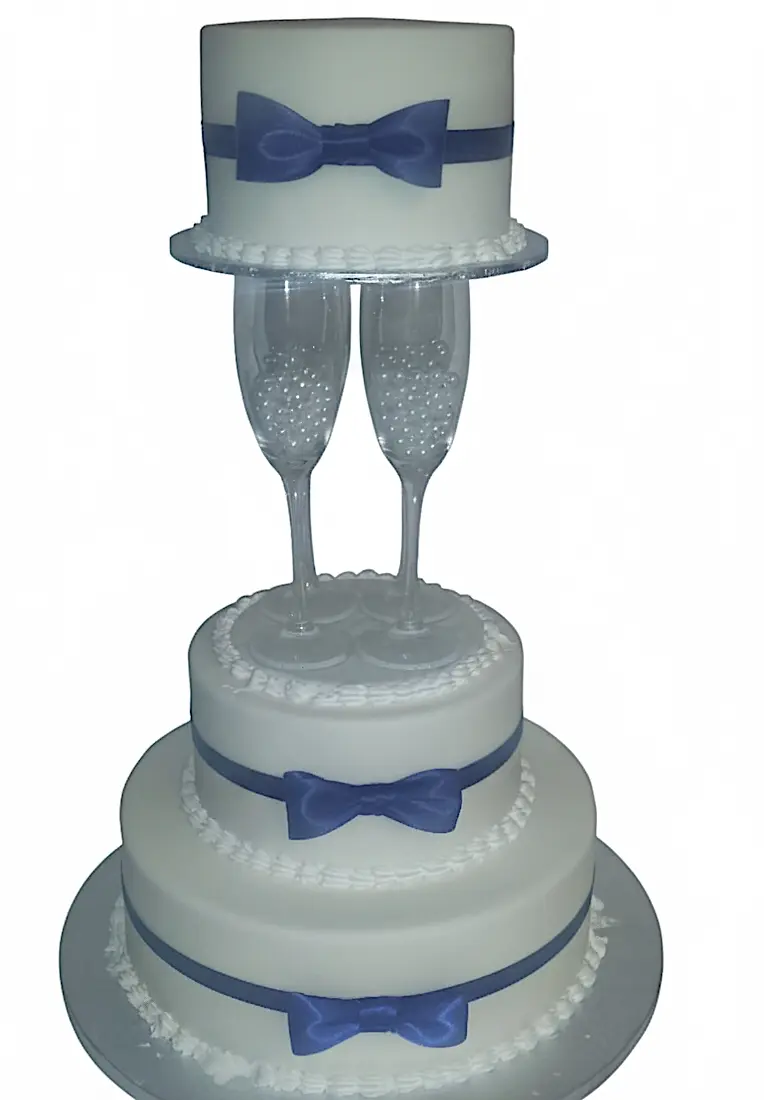


When you think about weddings in Canada—whether it’s a grand affair in a downtown ballroom or a quiet gathering in someone’s backyard—one thing is almost certain. There’s going to be a cake. And, more often than not, that cake is going to be tall, elegant, and, well, structured. I’m talking about pillar wedding cakes. You know, the kind with multiple tiers, each supported by sleek columns, rising above the table like a little architectural marvel.
Now, why are pillar wedding cakes so popular here? It’s not just tradition, though that plays a part. I think it’s something a bit deeper than that.
For starters, there’s the sheer visual impact. A pillar cake just looks impressive. It commands attention in a way that a simple two-tier or single-layer cake just can’t. When guests walk into the reception, it’s often one of the first things they notice. Even people who don’t usually pay much attention to cakes—you know the type, the ones more interested in the main course—can’t help but glance over and admire it. It’s like a centerpiece, but edible.
Of course, there’s also the symbolism. In a way, the pillars aren’t just holding up cake layers; they’re holding up hopes, new beginnings, and all the celebratory emotions tied to a wedding day. I know that might sound a bit lofty, but it’s true. There’s something about the structure—about the idea of each tier being supported, yet independent—that resonates with people. I’ve heard a few friends say that it reminds them of how a marriage works: strong foundations, different layers, but everything balanced. Maybe that’s a bit much. Still, there’s something there.
Another thing is versatility. Pillar cakes aren’t just tall for the sake of being tall. They allow for a lot of creativity. You can space out the tiers to give the cake a more airy, dramatic look. Or you can stack them close together for a compact, layered effect. Some couples opt for fresh flowers between the layers, others go for edible lace or intricate piping. The space between the tiers gives room for the design to breathe, which, I think, makes the overall effect more striking.
That said, not everyone loves pillar cakes. I’ve heard people argue that they’re a bit old-fashioned, maybe even a little too formal. There’s a case to be made there, I suppose. Some modern couples are opting for more minimalist or rustic designs—naked cakes, single tiers, cupcakes even. But here’s the thing: even with those trends, pillar cakes haven’t disappeared. In fact, I’ve noticed that they’re experiencing a bit of a resurgence in some circles. Maybe it’s nostalgia. Or maybe people are starting to realize that you can have the grandeur of a pillar cake without it feeling stiff or outdated.
Speaking of nostalgia, there’s something comforting about seeing a classic pillar cake at a wedding. I remember my cousin’s wedding a few years back—they had this gorgeous four-tier cake with delicate sugar roses and subtle gold accents. The pillars weren’t just supports; they were part of the whole aesthetic. I overheard one of the guests—an older aunt, I think—remark how it reminded her of her own wedding decades ago. And I think that’s part of the charm. Pillar cakes carry a sense of continuity, a link between generations.
Now, let’s talk practicality, because I think that’s often overlooked. Believe it or not, pillar cakes can actually be easier to handle than fully stacked ones. The pillars provide structural integrity, making it less likely that the cake will collapse or shift during transport. And at the venue, the cake is often assembled on-site, with the tiers and pillars fitted together like a puzzle. I’ve spoken with a couple of bakers who’ve mentioned that, with the right setup, a pillar cake can actually be less stressful than a stacked one—though I suppose it depends on the design and the scale.
Another thing to consider is serving. With a pillar cake, it’s often easier to separate the tiers for cutting and serving, which can make things run more smoothly during the reception. I once attended a wedding where the cake was stacked directly, and the servers struggled a bit to disassemble it for plating. Not a disaster, of course, but it did slow things down. With pillars, each tier can be removed relatively cleanly.
Of course, there are costs to consider. Pillar cakes tend to be more elaborate, which often means they’re pricier than simpler designs. But here’s the funny thing: many couples see that as part of the celebration. After all, this isn’t just any day—it’s the day. Splurging a bit on the cake feels justified. Plus, the visual impact alone can make it feel worth it. I know some people who budget extra specifically for the cake, even trimming back on other areas. I’ve even heard a friend admit, “I’d rather have a stunning cake and skip the fancy linens.” And honestly, I get it.
That said, not everyone agrees. Some guests might think it’s excessive, or they might quietly prefer a simpler design. And that’s fine. I think the beauty of weddings these days is that couples can choose what works for them, without worrying too much about expectations.
There’s also the social media factor, which, whether we like it or not, plays a role. Pillar wedding cakes photograph beautifully. The height, the layers, the decorations—it all creates a perfect backdrop for those cake-cutting shots, the “just married” moment with the couple, the little touches that get shared and liked online. It’s not the only reason people choose them, of course, but it adds to the appeal.
In the end, I think the popularity of pillar wedding cakes in Canada comes down to a mix of tradition, practicality, and aesthetics. They offer a bit of old-world charm combined with modern flair, they stand up (literally) to the expectations of a wedding day, and they create a moment that guests remember.
Sure, they’re not for everyone. And perhaps they’ll eventually give way to newer trends, or maybe they’ll just evolve with the times. But for now? Pillar wedding cakes still hold a firm place in Canadian weddings, offering that perfect blend of beauty, functionality, and just a touch of grandeur.