
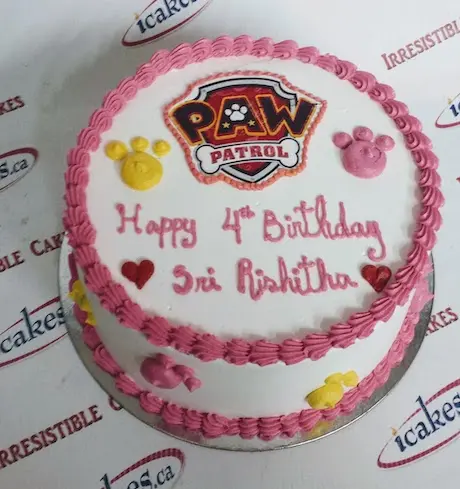

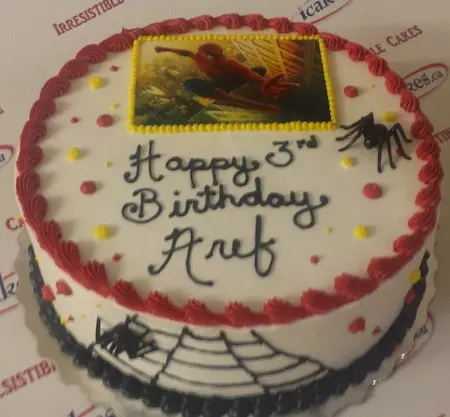
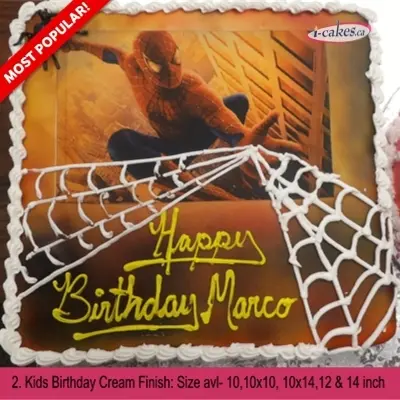
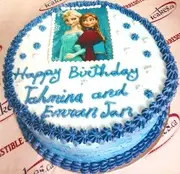
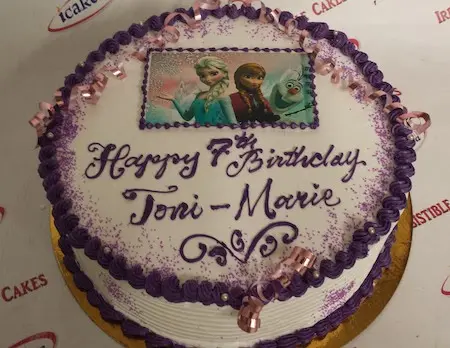
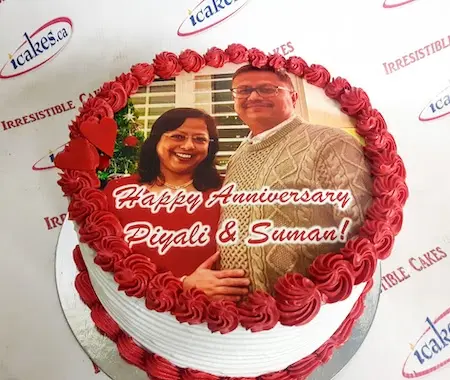
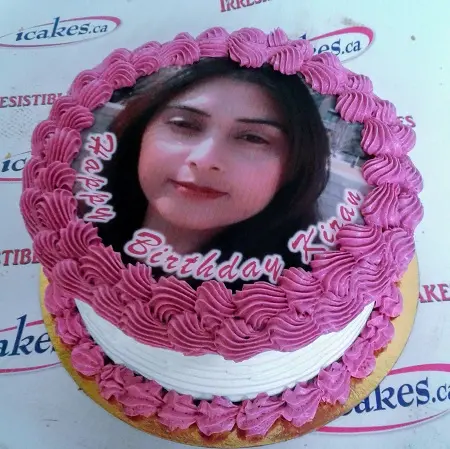


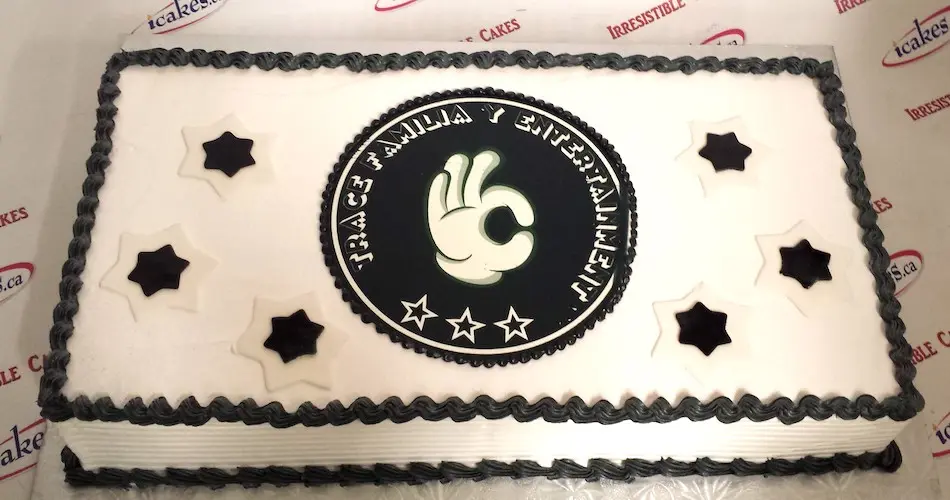

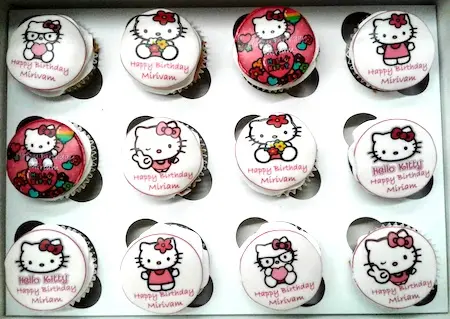
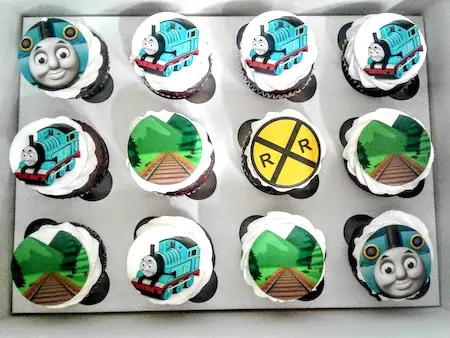
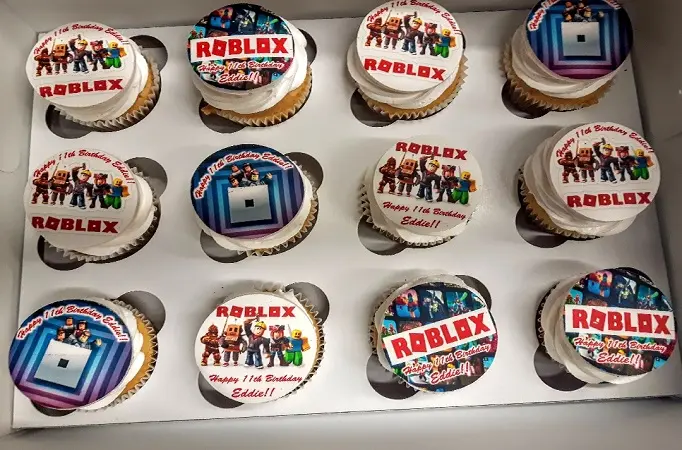

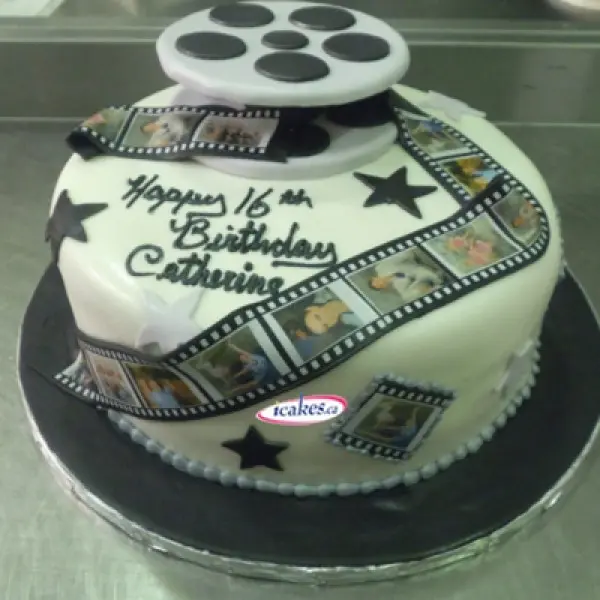
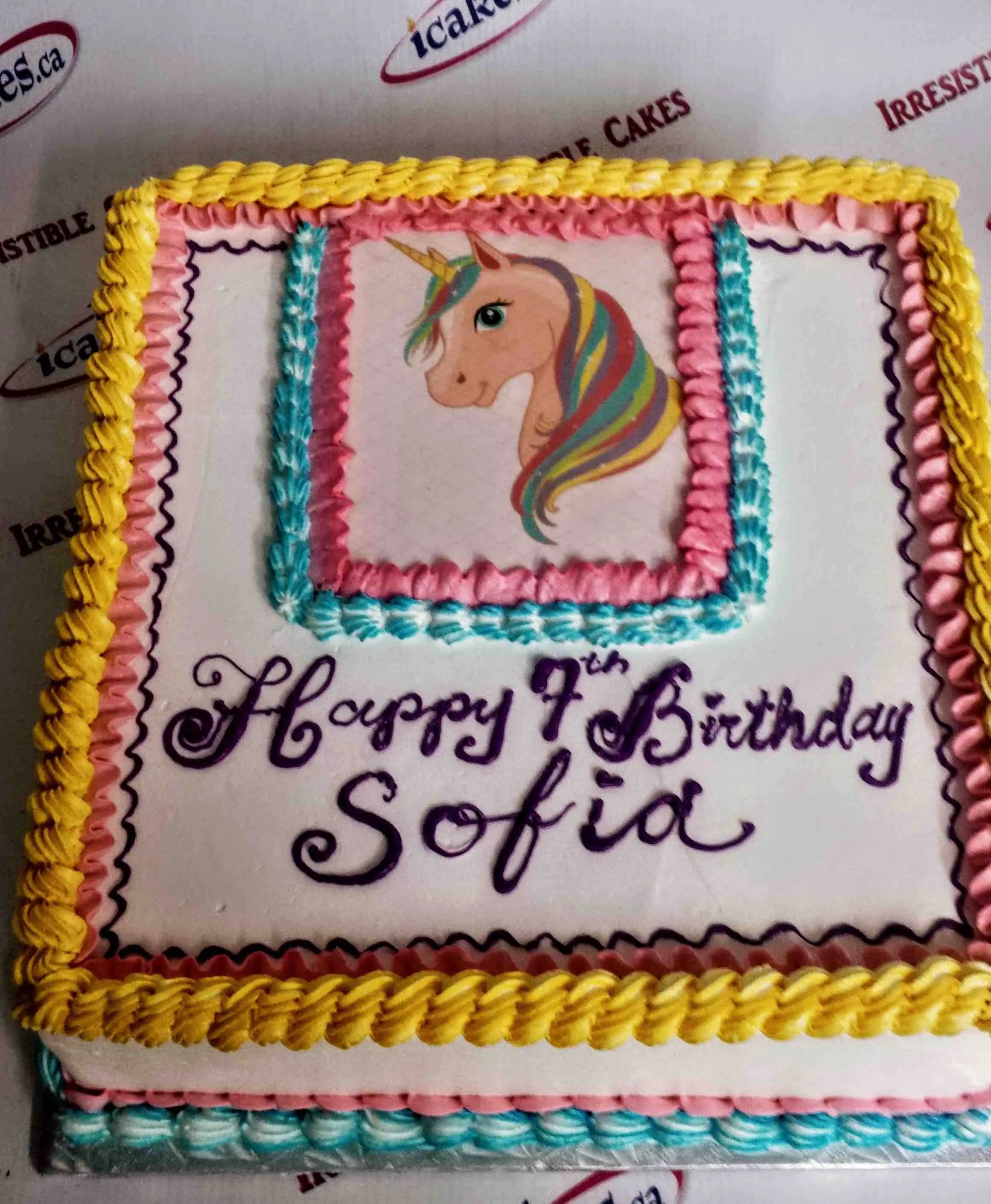


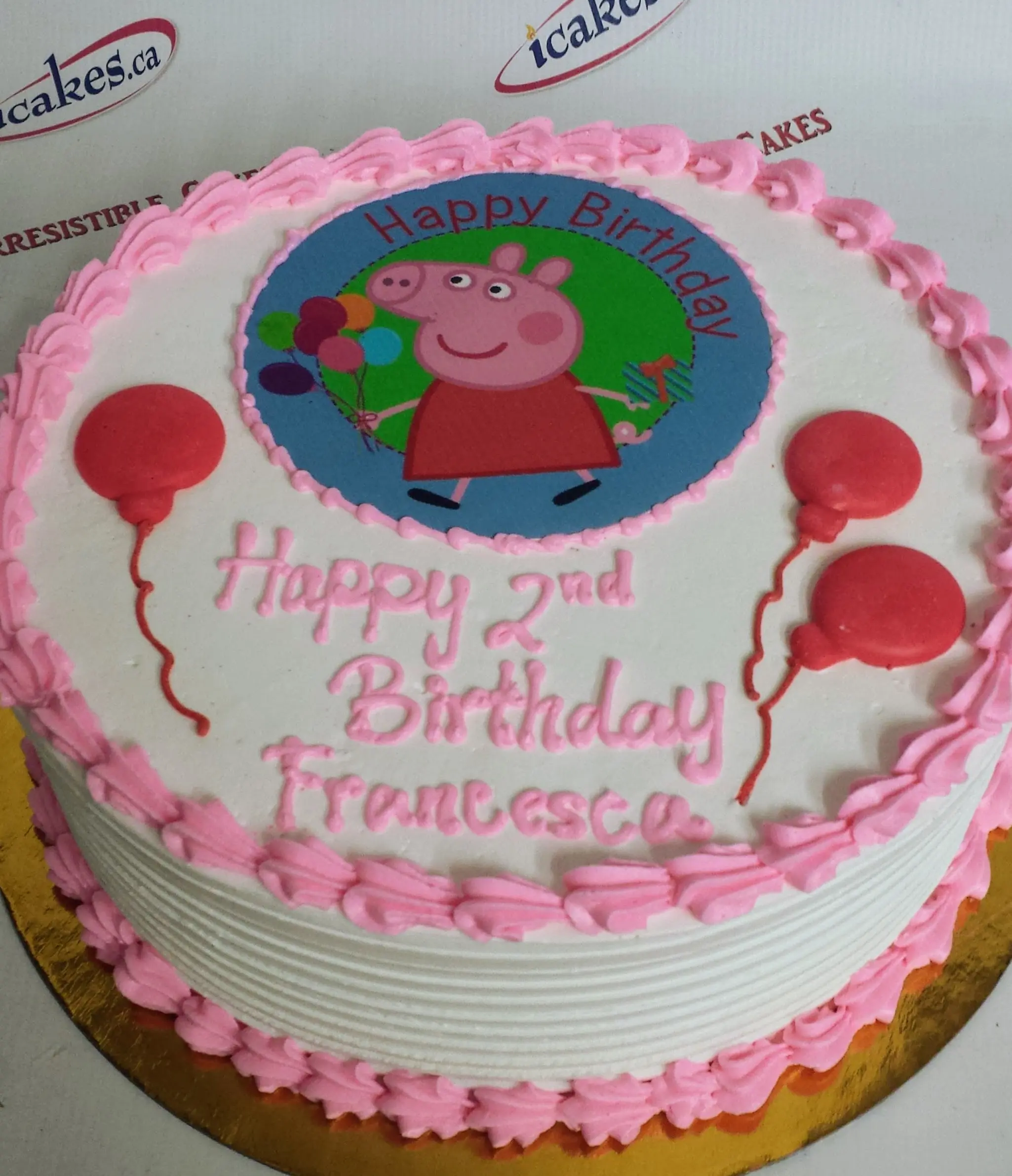
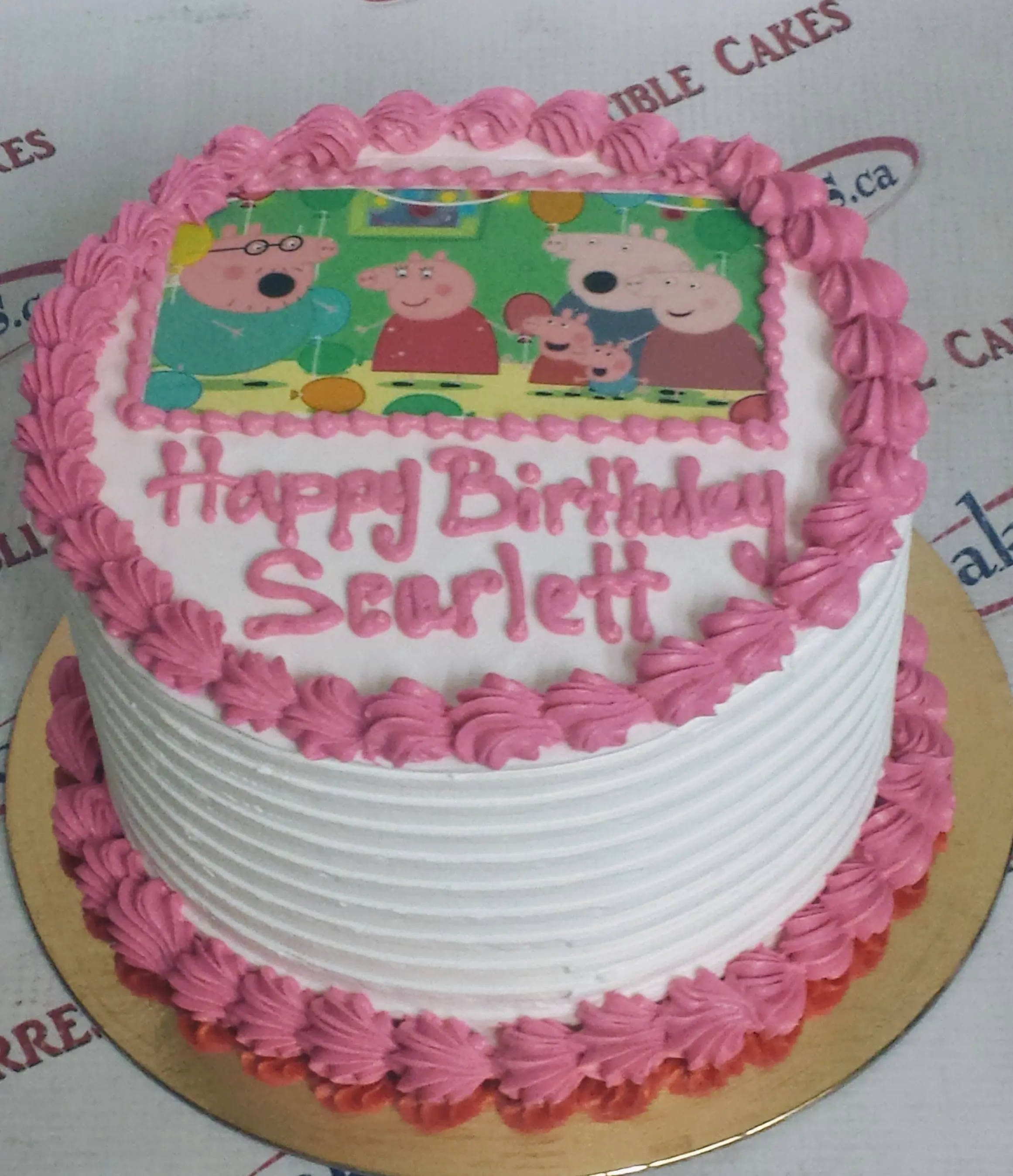
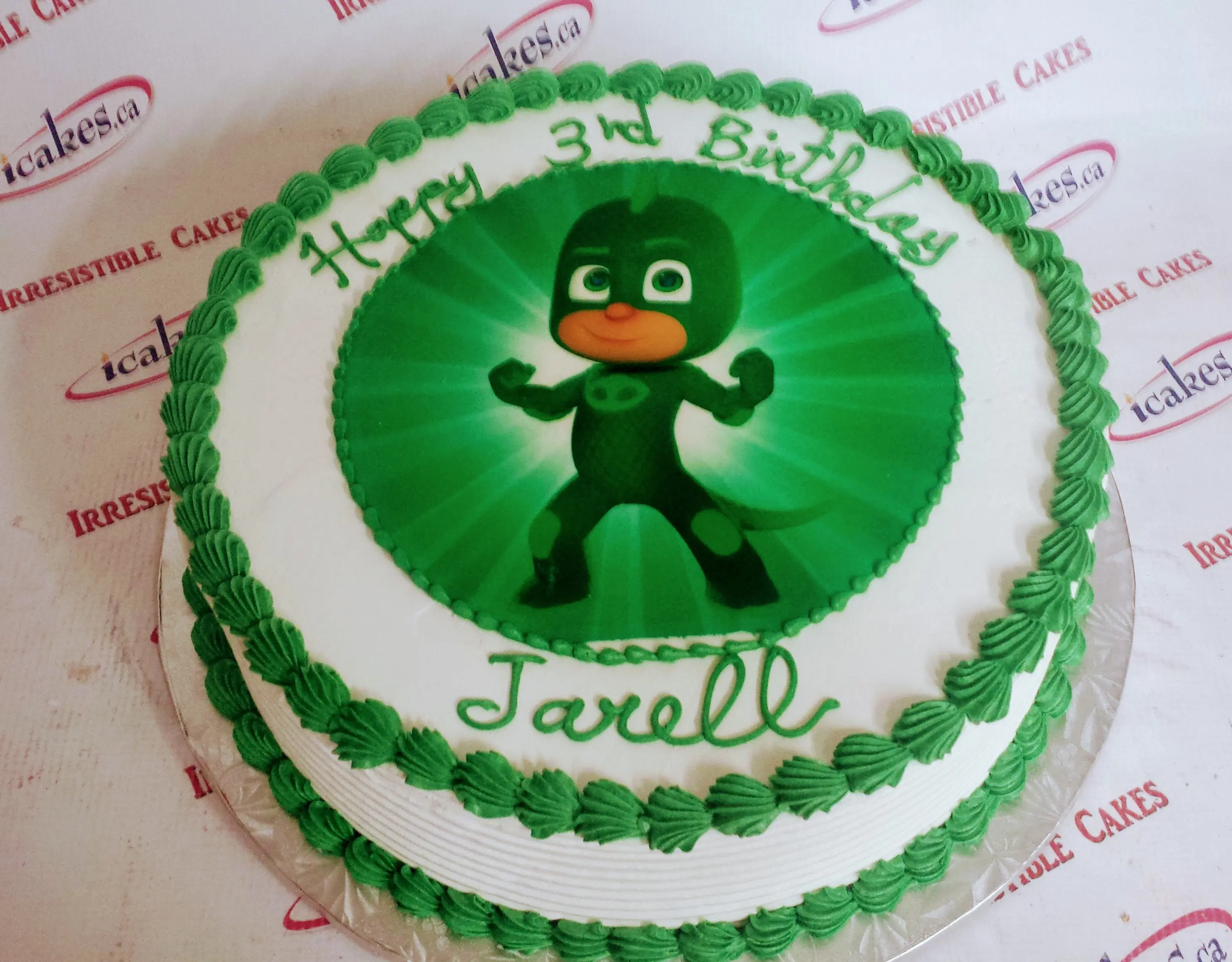



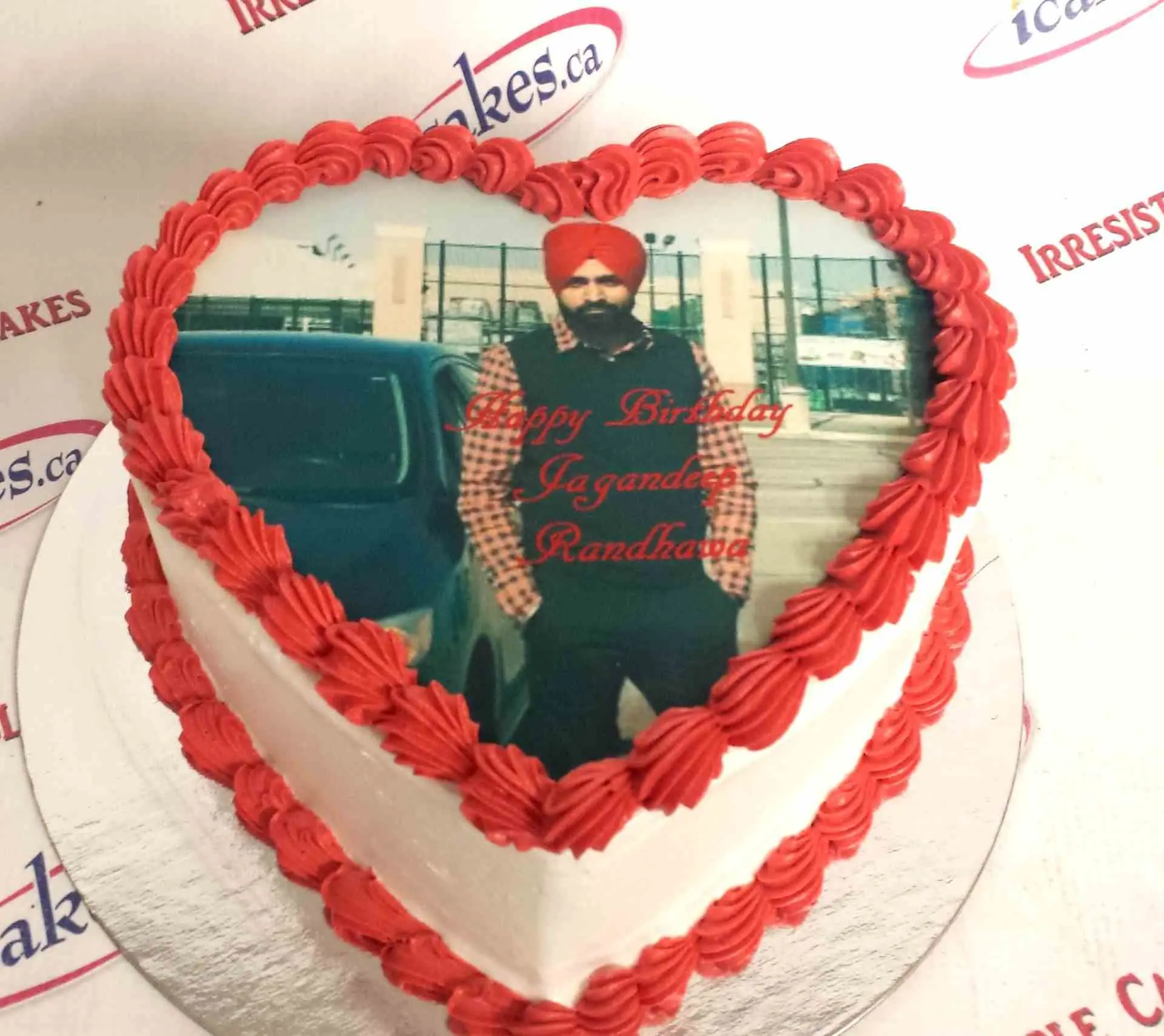
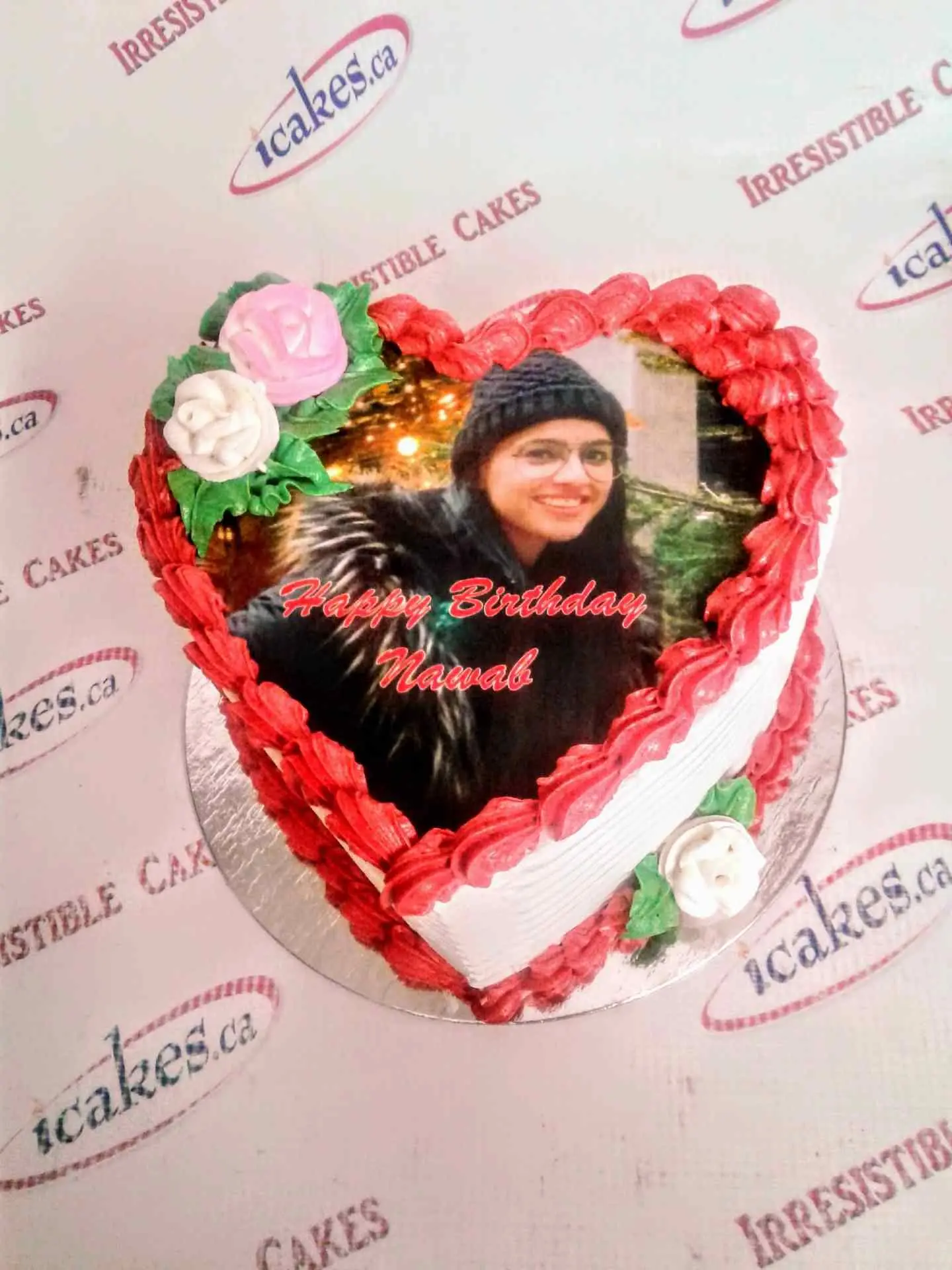

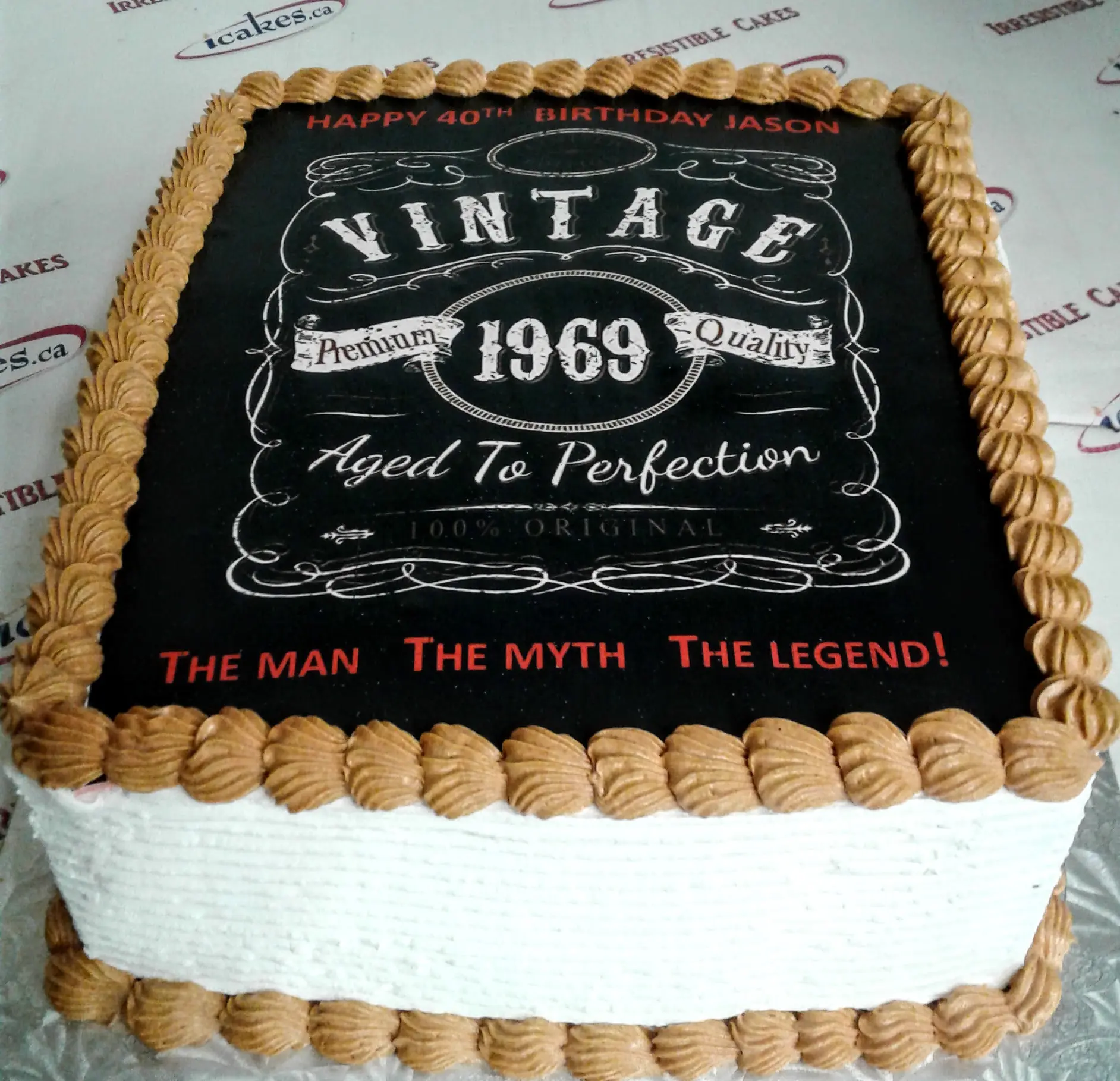
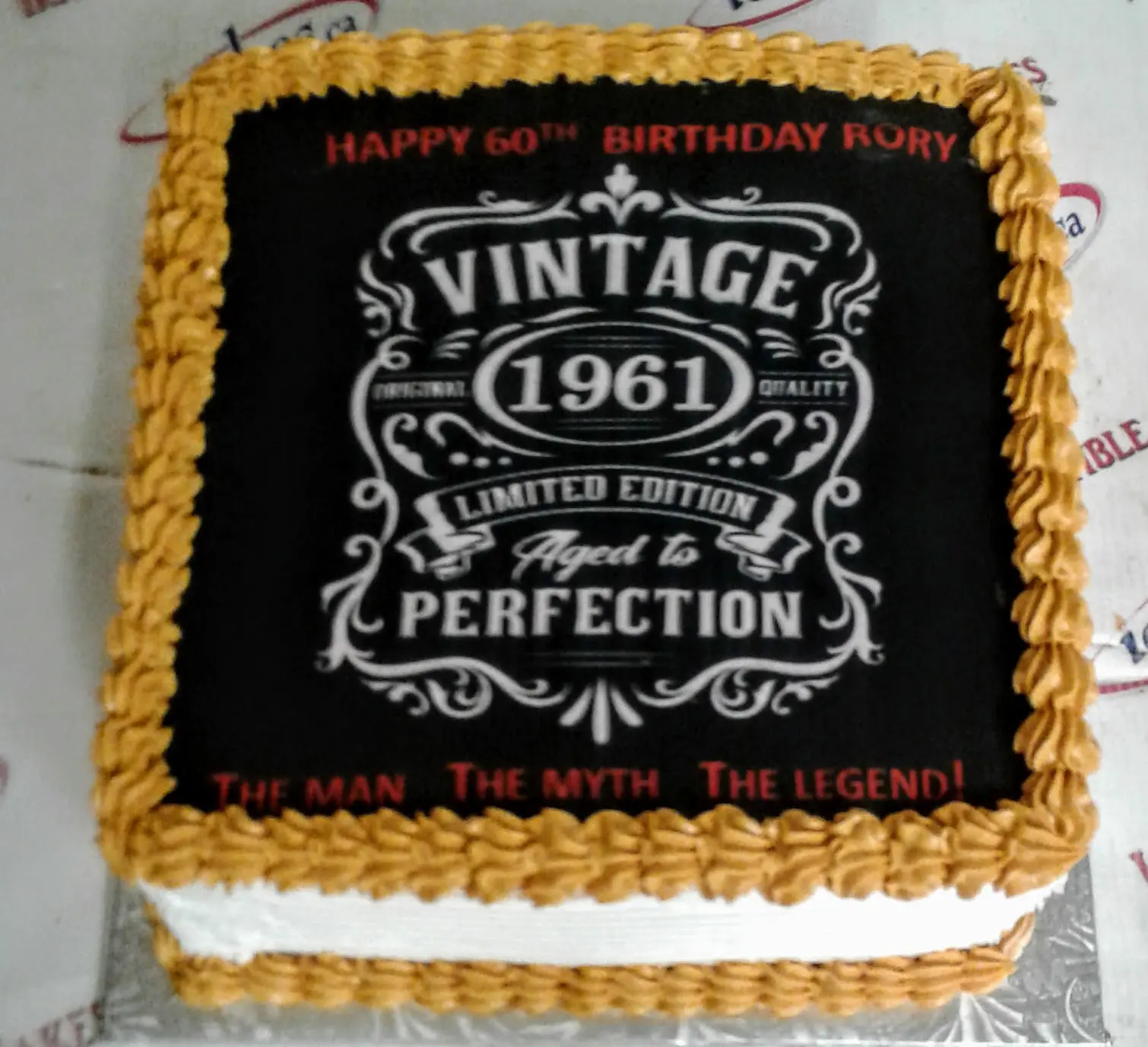


There’s something oddly satisfying about a photo cake, isn’t there? I mean, when you think about it, it’s a cake—but with a picture. Sometimes, a goofy picture of the birthday person from years ago. Or maybe a graduation shot. Even a cherished family photo or, now and then, a beloved pet’s face. It’s a cake, sure, but also a memory. A conversation piece.
In Canada, photo cakes have quietly, or maybe not so quietly, become a go-to for birthdays, anniversaries, and really any sort of celebration. And while I don’t think everyone sets out to get a photo cake for every occasion, there’s this moment when someone suggests it—“Hey, what if we put her graduation photo on the cake?”—and suddenly it feels like the obvious choice.
Why have they caught on so much? Well, perhaps because they’re personal. In a world where you can customize almost anything—from phone cases to mugs to socks—having a cake with a photo feels like a natural extension of that trend. But it’s not just about customization. It’s about making the moment feel, I don’t know, more special. More connected.
There’s also the surprise factor. Sure, people might expect a cake at a party, but they don’t always expect to see their face on it. Or their baby picture. Or a funny moment from that family vacation three years ago. When the cake comes out and it’s topped with a familiar image, there’s this ripple of laughter or surprise. It’s a bit of fun, something that breaks the ice at a party.
I remember, at a friend’s baby shower in Toronto, they brought out a photo cake with a picture of the ultrasound printed on it. It was funny and a little touching. People gathered around, pointing out tiny details from the scan, making guesses about who the baby might look like. And I think that’s what makes photo cakes so appealing—they’re not just cake, they’re a story. They spark conversations. They make people feel included in a shared moment.
Of course, some might say they’re a little cheesy. A bit predictable. Maybe even overdone. And sure, that’s not entirely wrong. There are times when a photo cake feels a bit too on-the-nose, like when it’s a stock photo of balloons or confetti. But even then, it’s hard to deny the charm. It’s the thought that counts, after all. And if someone took the time to pick a photo, send it to the bakery, and choose the frosting color—well, that says something, doesn’t it?
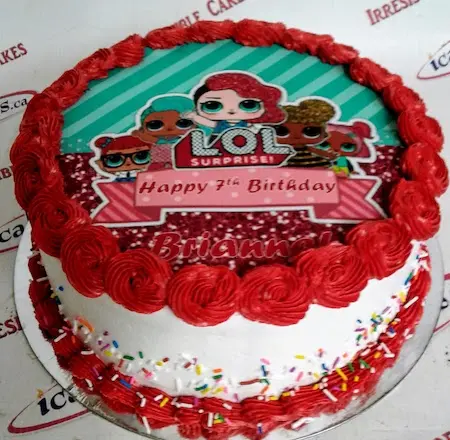
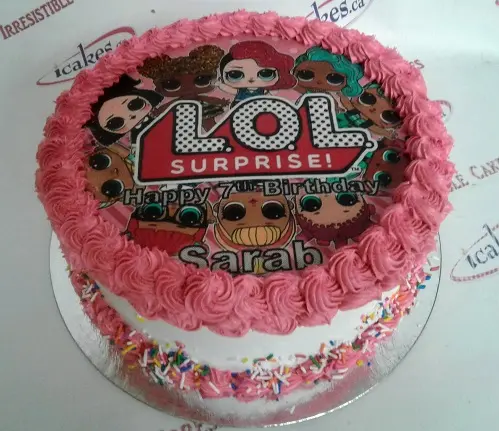
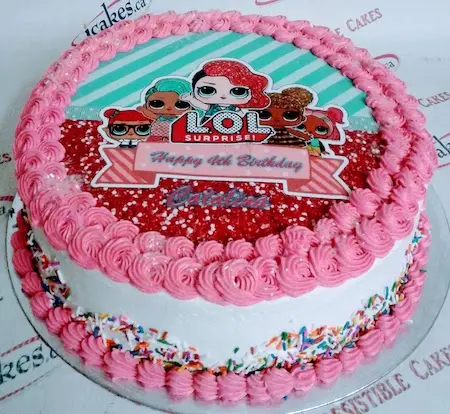
Another reason they’re so popular, I think, is accessibility. Almost every bakery in Canada now offers photo cakes. From small local shops in places like Kelowna or Moncton to big chain stores with online ordering systems, it’s easy to get one made. The technology has gotten better, too—the edible ink printers can reproduce almost any image with surprising clarity. I’ve seen cakes where the photo looks so realistic, you almost hesitate to cut into it. Almost.
And the price? Well, compared to some of the more elaborate cake designs out there, photo cakes are fairly reasonable. Sure, a fully sculpted cake in the shape of, say, a unicorn or a designer handbag might cost a small fortune. But a sheet cake with a printed photo? It’s affordable, accessible, and still makes an impression. That’s part of the appeal, especially for family gatherings or casual celebrations.
I should mention that taste matters, too. One might assume that with all that edible ink and photo paper on top, the cake itself might be an afterthought. But that’s not always the case. Many bakeries have gotten really good at balancing the photo layer with flavors that people actually enjoy. A friend of mine in Vancouver swears by a bakery that does photo cakes with a rich chocolate base and a light, not-too-sweet buttercream. And while the image on top is fun, she says the real draw is that the cake is genuinely good.
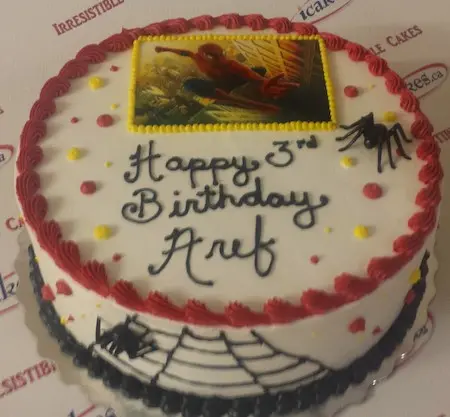
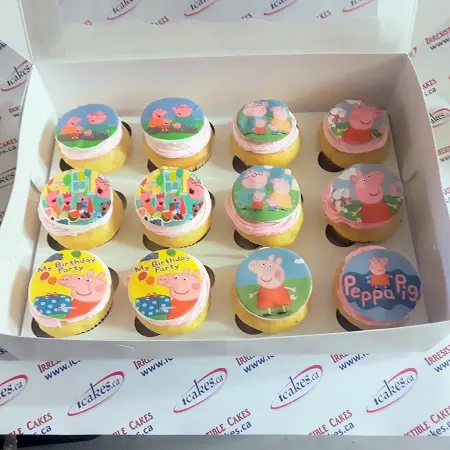
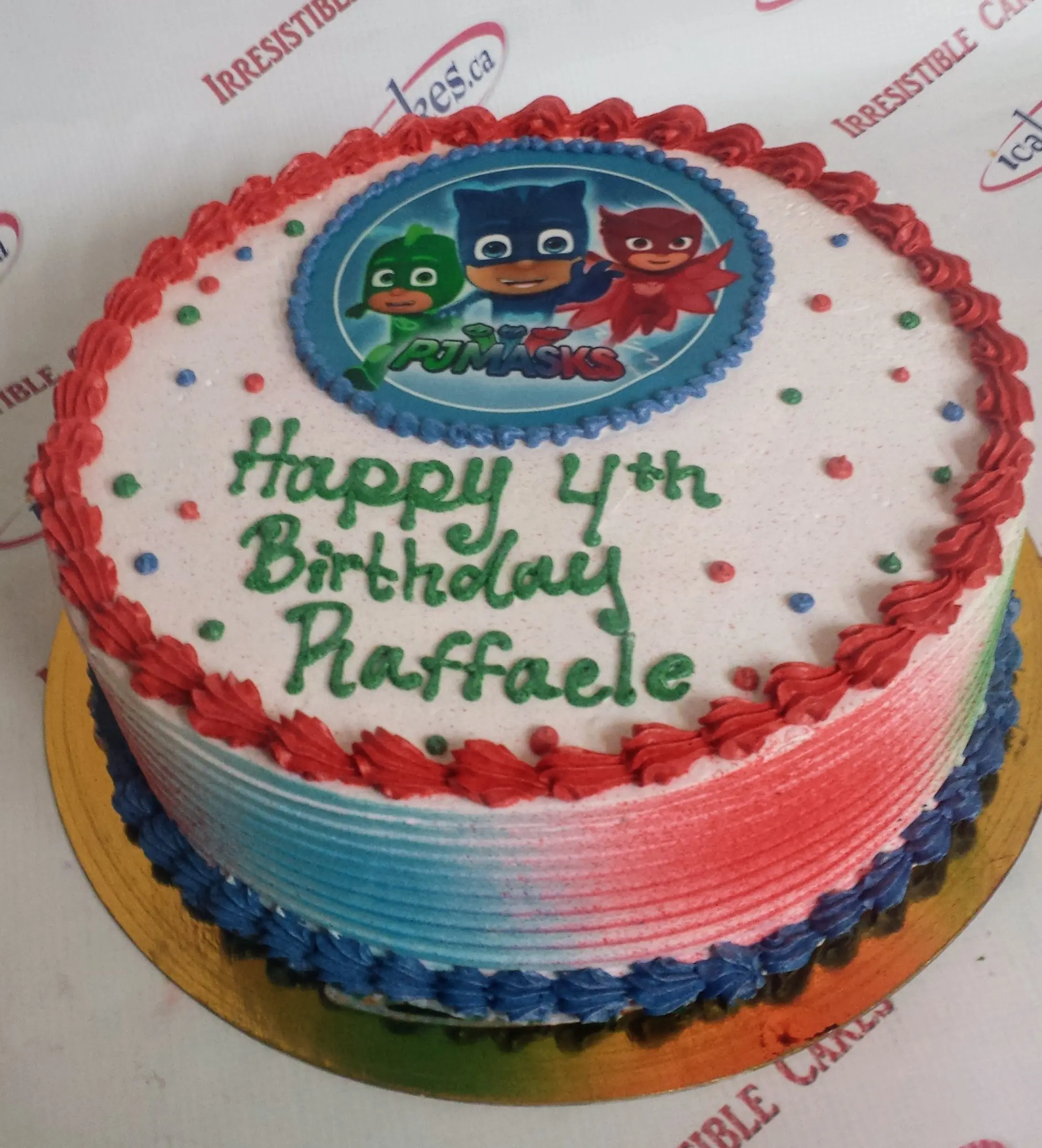
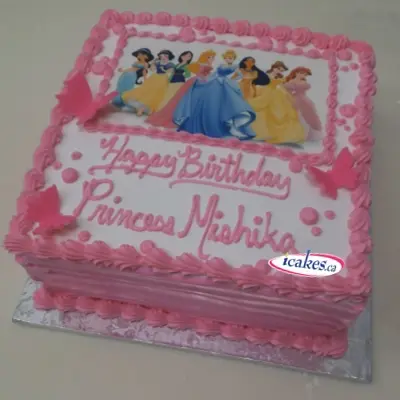
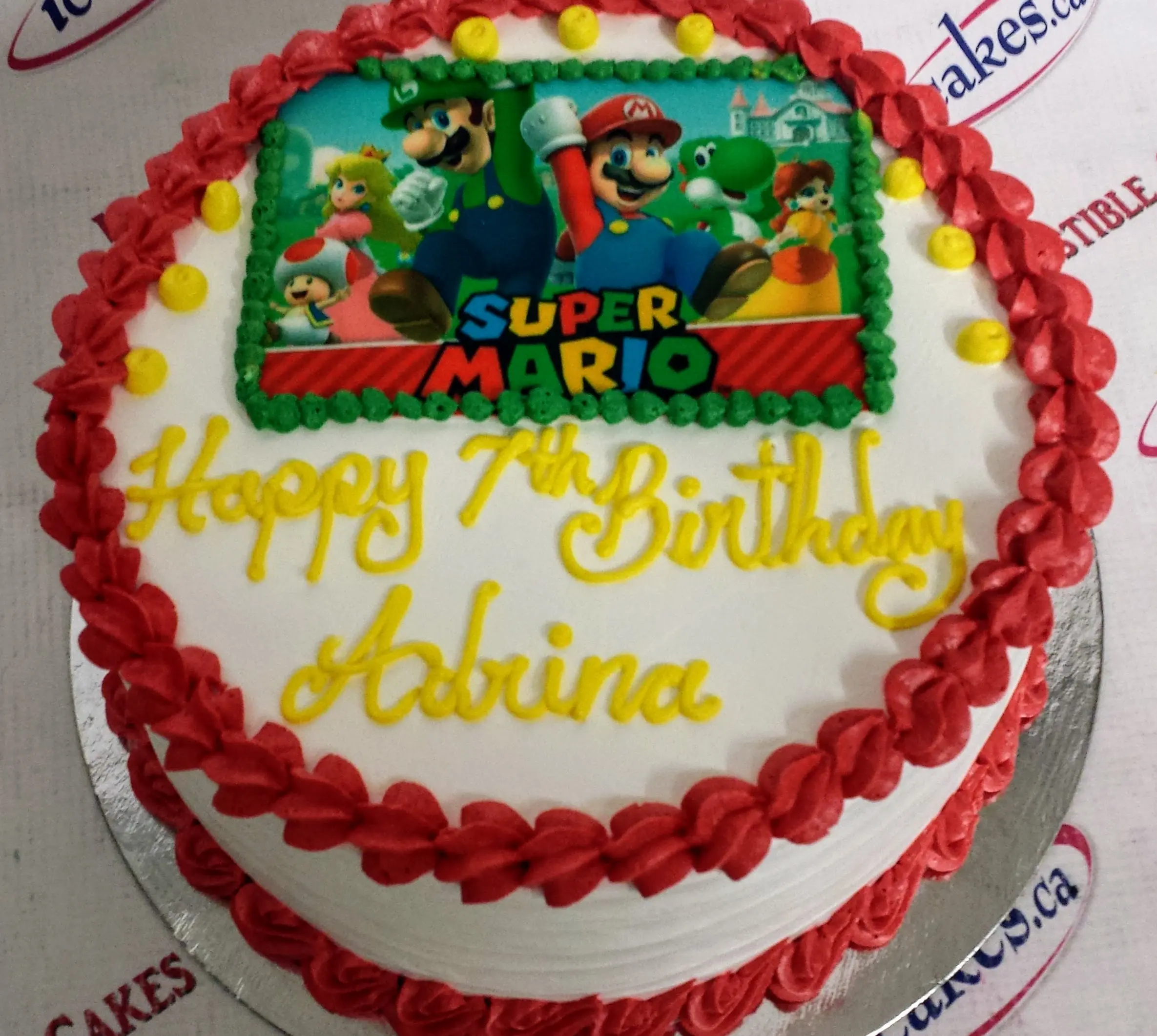
Kids love them, too. There’s something magical for a child to see their own face—or a favorite cartoon character, perhaps—on a cake. I’ve seen kids at birthday parties absolutely light up when the cake is revealed. They point at the image, giggling, showing it off to their friends. For parents, it’s an easy way to make the party feel extra special without adding a ton of stress or expense.
But it’s not just kids. Adults enjoy photo cakes as well. I was at a retirement party a few months ago, and they brought out a cake with a photo of the retiree from their first day on the job, decades ago. The cake sparked a whole round of reminiscing, with colleagues sharing stories and memories. It wasn’t just a cake; it was a tribute.
Now, I will say, not every photo cake is a masterpiece. Sometimes the image quality isn’t perfect, or the colors come out a little off. Maybe the frosting gets smudged during delivery, or the photo placement isn’t quite centered. But honestly? That almost adds to the charm. It feels more personal, less polished. Like someone actually cared enough to go through the trouble, even if it didn’t turn out Pinterest-perfect.
Another thing I’ve noticed is that photo cakes have a sort of universal appeal. They’re not tied to a specific culture or tradition. Whether it’s a kid’s birthday in Edmonton, a wedding anniversary in Halifax, or a casual get-together in Montreal, a photo cake fits right in. It doesn’t require an explanation. It just makes sense.
Of course, some people prefer something more understated. A classic chocolate cake, maybe, or a tiered sponge with fresh fruit. But for those looking to add a personal touch, a photo cake offers something unique. It says, “This is about you.” Or, “This is about us.” It turns dessert into a little celebration of life’s moments, big or small.
In a way, photo cakes feel like a response to the digital age. We’re surrounded by photos—on our phones, in our social media feeds—but rarely do they become something tangible. A photo cake takes one of those digital moments and turns it into something you can touch, share, and yes, eat. It brings a bit of our online lives into the real world.
Are photo cakes the most sophisticated dessert out there? No, probably not. But they don’t have to be. They’re fun, a little sentimental, and a lot of the time, pretty delicious. Maybe that’s why they’ve become so popular in Canada—because they’re a reminder that sometimes the simplest ideas are the ones that bring people together.