

Graduation season in Canada feels, I don’t know, kind of electric. There’s this buzz of pride, a mix of relief and anticipation. Families get together, friends reconnect, and everyone’s looking for ways to mark the milestone. And somewhere, at almost every one of these celebrations, you’ll find a graduation slab cake sitting proudly on the table.
Why have these slab cakes become so popular? Well, I think it’s partly because they just work. They’re big enough to feed a crowd, which is crucial when you’re hosting a backyard barbecue or a community hall party. You know how Canadian families tend to invite everyone—from grandparents to neighbors to old teachers. A slab cake can handle that. And it’s simple, practical. You don’t need to worry about slicing a fancy multi-tier cake that topples the minute you put the knife in. Slab cakes are sturdy, easy to cut, and generous.
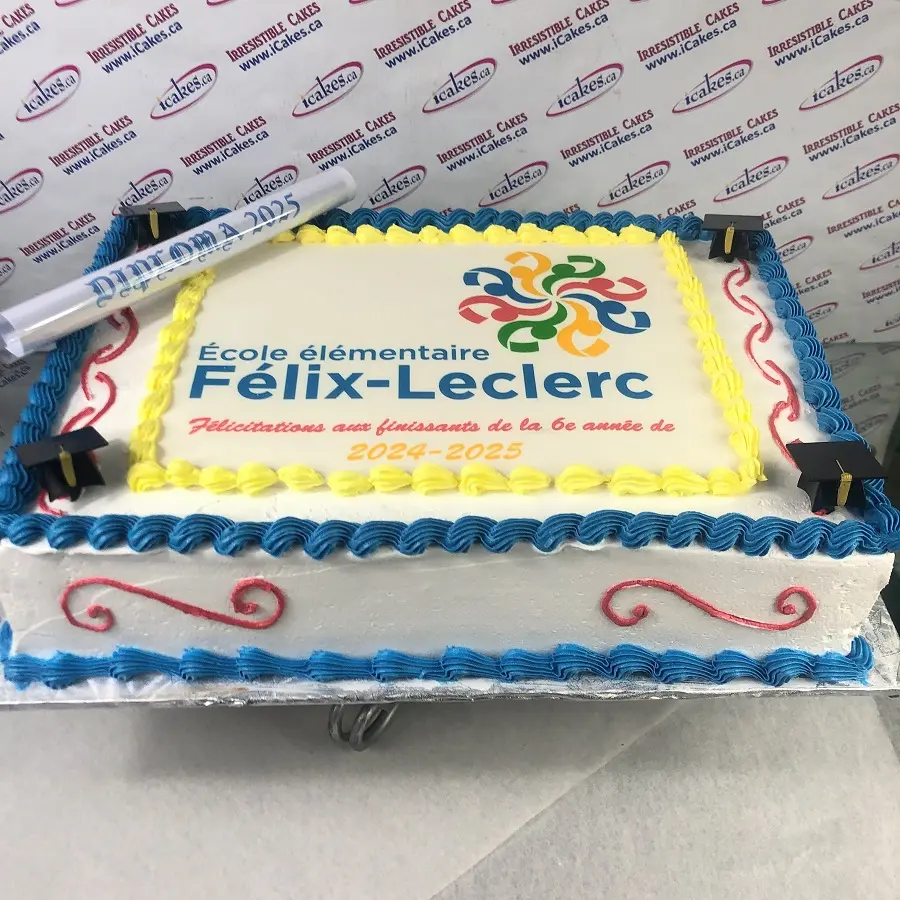
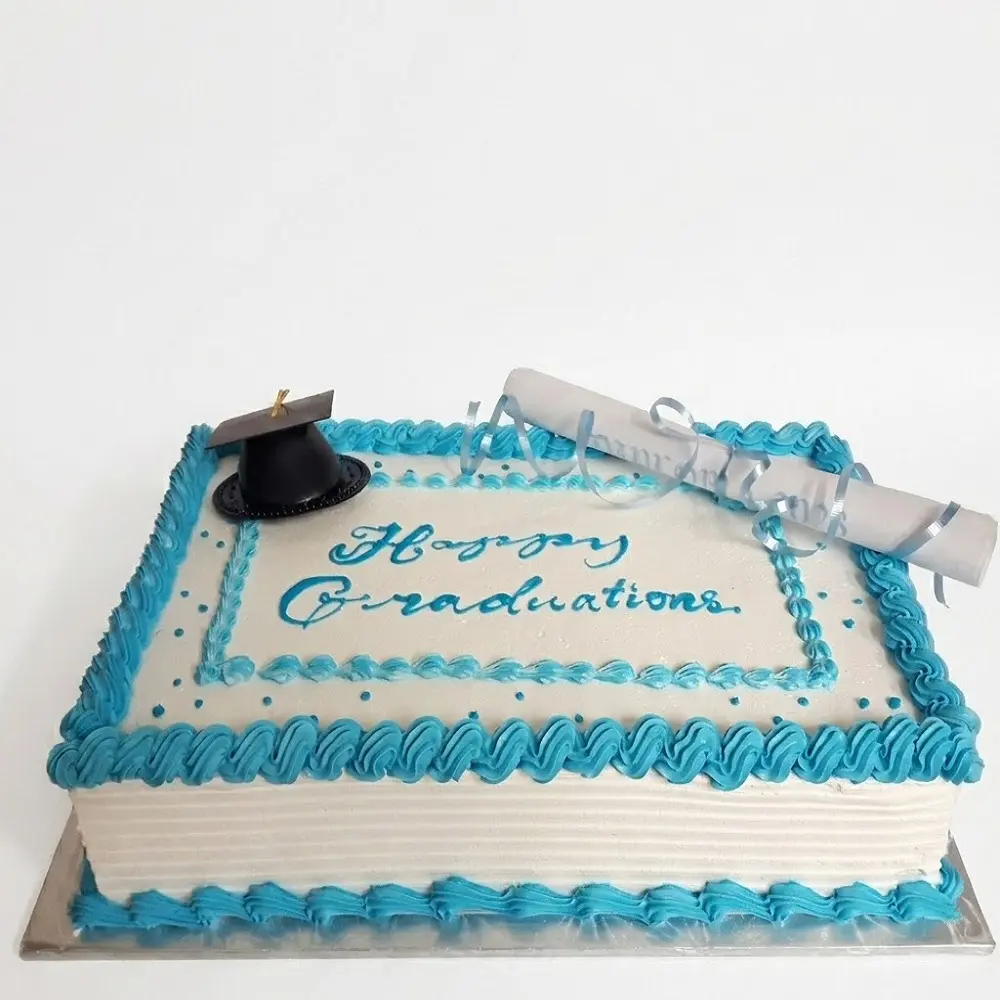
But there’s more to it than just convenience. There’s something about the design—the way a graduation slab cake can be customized with the graduate’s school colors, their name, maybe even a little edible cap or scroll. I’ve seen cakes where they print an actual photo of the graduate right onto the icing. Sure, it’s a bit kitschy, but it makes people smile. And really, isn’t that the point of a graduation party? To celebrate the person, to make them feel like the center of attention, at least for a little while?
I remember my cousin’s graduation party last summer in Toronto. They had this huge slab cake—vanilla sponge with raspberry filling, if I’m remembering right—decorated in blue and gold to match his university colors. His name was spelled out in big, looping letters, and there were edible confetti pieces scattered across the top. It wasn’t fancy or expensive, but it made everyone gather around. And honestly, the cake tasted better than some of those intricate fondant cakes I’ve had at weddings.
Of course, taste is subjective. Some people think slab cakes are a bit plain, maybe even too simple for a big occasion. But I’d argue that’s actually part of the charm. They’re unfussy, approachable. You don’t have to feel guilty about going back for a second slice. And there’s something satisfying about the even layers of cake and frosting in each bite. No surprises, just a solid, dependable dessert that everyone can enjoy.
I’ve noticed that bakeries across Canada, from Vancouver to Halifax, are getting more creative with their graduation slab cakes. They’re offering different flavors—chocolate, lemon, red velvet—along with fillings like mousse or fruit preserves. Some even offer slab cakes that are half-and-half, so you can please both the chocolate lovers and the vanilla fans. It’s that kind of flexibility that makes these cakes so appealing. You can scale them up or down, personalize them, and still keep them affordable.
And affordability is a big part of it, I think. Graduation parties can get expensive fast—venue rentals, catering, decorations. A slab cake is an easy way to feed a crowd without breaking the budget. Sure, you could get a towering custom cake with fondant figures and sugar flowers, but that’s not always practical. A slab cake offers a balance: it’s celebratory but still grounded.
That said, some people might argue that slab cakes are a bit... ordinary? Maybe even predictable. But then again, there’s comfort in the familiar. In a way, it mirrors the graduation itself: a blend of ritual and excitement, a mix of tradition and stepping forward. There’s no need to reinvent the wheel every time. A simple cake that looks good, tastes good, and feeds everyone—that’s more than enough.
Now, I’ve heard some debate about presentation. A few friends of mine say slab cakes look “too casual” for a graduation party, especially when compared to fancier cakes with tiers and sculpted details. But honestly, I think the casual look can be a plus. It makes the event feel more relaxed, more about the people and less about appearances. Plus, a graduation slab cake leaves room for personalization in a way that a pre-designed fancy cake might not. You can add inside jokes, a favorite quote, or even a hand-drawn design (some bakeries let you submit sketches!) that reflects the graduate’s personality.
And let’s not forget the photo factor. These cakes photograph surprisingly well. The large, flat surface makes it easy to arrange candles, figurines, or even sparklers. I’ve seen some truly fun shots of graduates posing next to their slab cakes, holding up their diplomas or making funny faces. It’s part of the celebration, part of the memory-making.
Another thing I’ve noticed—and maybe this is just me—but there’s something a bit nostalgic about a slab cake. It reminds me of the sheet cakes we used to have at community events or school fundraisers. There’s a certain simplicity that feels comforting, especially in a world that sometimes feels a bit too curated, too perfect. A slab cake says, “This is for everyone. Let’s dig in.”
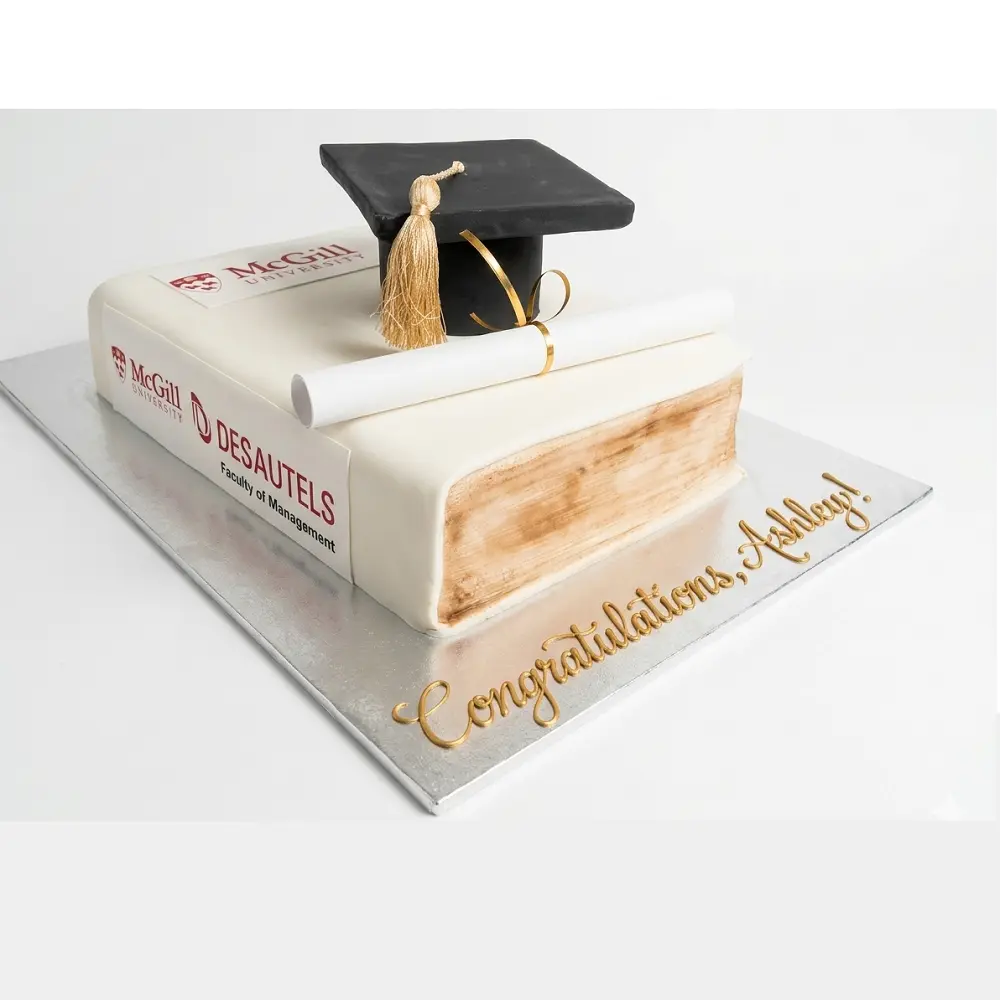
That’s not to say there aren’t fancier versions out there. Some bakeries are doing amazing things with slab cakes—layering flavors, adding metallic accents, hand-painting designs. So, while the concept might feel simple, the execution can be quite elevated. You can make a slab cake that’s as elegant or as fun as you want it to be.
I also think timing plays a role. Graduation season tends to be a busy time—lots of parties, ceremonies, family gatherings. A graduation slab cake can be ordered ahead, picked up easily, and served without much fuss. It’s reliable. And let’s be honest, when you’re juggling multiple events, a cake you can count on is a huge relief.
Of course, not everyone’s convinced. Some people feel that slab cakes are too basic, that they don’t “wow” guests in the way a show-stopping cake might. But maybe that’s the point. A graduation is already a major milestone, filled with emotion and meaning. The cake doesn’t need to compete for attention. It just needs to be there, to offer a sweet ending to a day filled with speeches, hugs, and photos.
In the end, I think graduation slab cakes have found their place in Canadian celebrations because they strike the right balance—between practicality and festivity, simplicity and customization, tradition and personality. They’re not trying to be something they’re not. They’re just good cake, made for sharing.
And maybe, at the heart of it, that’s what makes them so popular.