


There’s something about fondant wedding cakes that just, I don’t know, feels right. Maybe it’s the smooth, flawless finish, or the way they seem to sit proudly at the center of so many Canadian weddings. They’re almost like a little work of art. You know, the kind of cake that makes people pause for a second before cutting into it—because it’s just too pretty to ruin.
But why are fondant cakes so popular at weddings, especially here in Canada? Well, I think it’s partly because they offer this sense of polish, of elegance. They look… perfect, or nearly perfect, and weddings are one of those rare times when people really want something that looks impeccable. Or at least as close to perfect as real life can get.
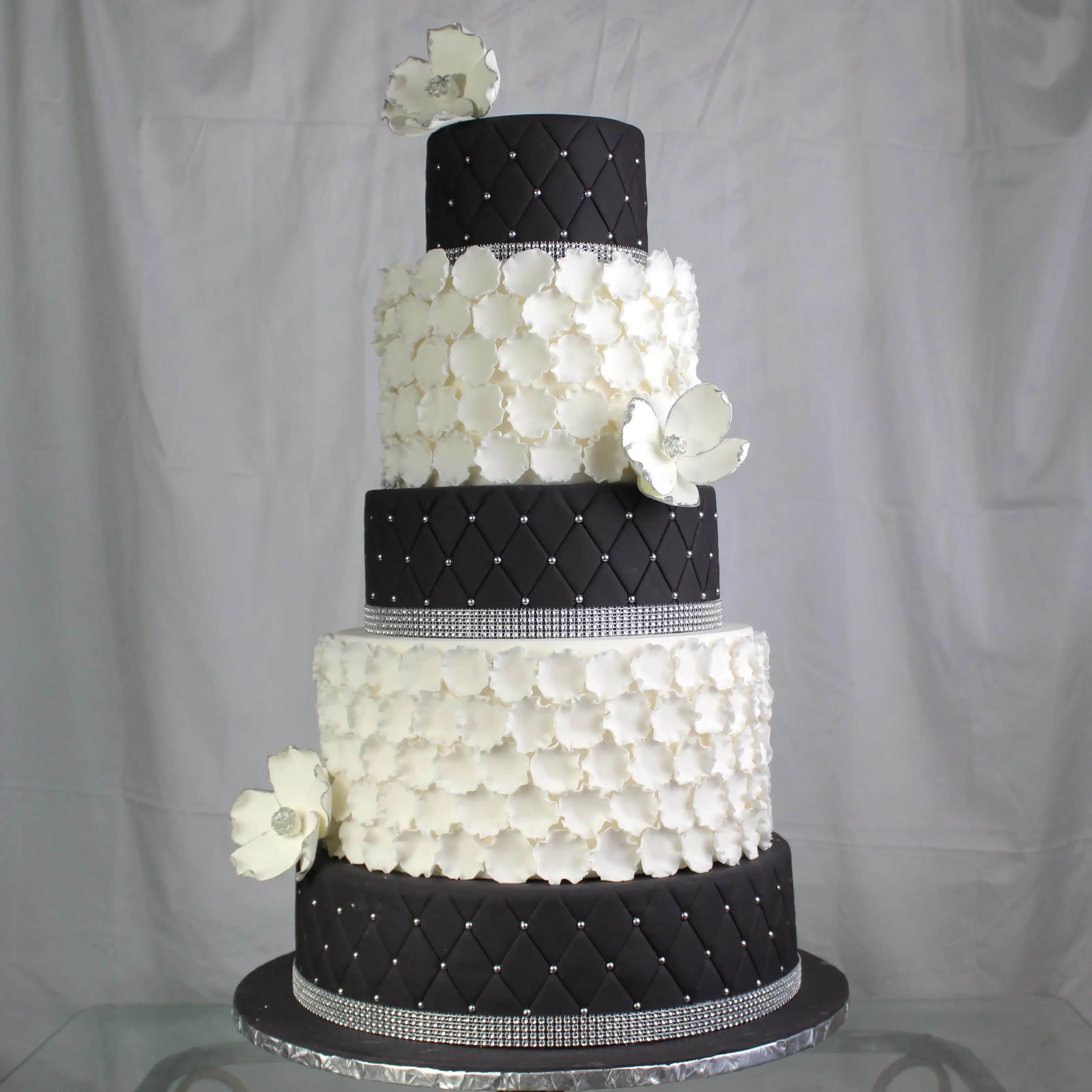
Fondant gives that effect. Its smooth surface, often accented with delicate sugar flowers, piped designs, maybe even metallic touches—it creates a cake that almost feels too good to eat. I mean, I’ve seen people hovering around a wedding cake for ten or fifteen minutes, just admiring it, taking photos, complimenting the couple’s choice of design. It becomes part of the décor, almost like an edible sculpture.
That’s not to say everyone’s in love with the taste of fondant. To be honest, I’ve heard plenty of mixed opinions about it. Some say it’s too sweet, too dense, or even a little bland compared to, say, buttercream or whipped cream finishes. But here’s where things get a bit more nuanced. Even people who don’t particularly enjoy eating fondant seem to understand its value in presentation. It holds its shape better than other icings, especially in hot weather or under bright lights—conditions that are pretty common at summer weddings or big indoor receptions here in Canada.
Plus, fondant allows for more intricate designs. You can mold it into shapes, create detailed patterns, or layer it with textures that would be nearly impossible with softer icings. I once saw a wedding cake in Toronto that was covered in fondant lacework, each section crafted to mimic the bride’s gown. It was… stunning. Everyone was whispering about how the cake looked like it belonged in a gallery rather than on a dessert table.
Of course, not every fondant cake is a towering multi-tiered masterpiece. Some couples opt for simpler designs—maybe a single-tier cake with a smooth white fondant cover and a few sugar flowers for accents. Even those look elegant, though. Fondant has a way of elevating even the most minimalistic design, making it feel intentional and sophisticated.
Now, I think it’s worth mentioning that fondant cakes tend to be a bit pricier than other options. The materials cost more, and the labor involved—rolling out the fondant, smoothing it over the cake, creating custom designs—can be quite intensive. Some might argue it’s not worth the extra cost when you could have a delicious buttercream cake for less. And yet, many Canadian couples seem willing to splurge on this detail. Maybe it’s because the cake often features prominently in wedding photos. Or perhaps it’s just one of those little indulgences—something you do because, well, it’s your wedding day, and you want everything to look just so.
It’s funny, though. While fondant cakes are wildly popular, they’re not without their quirks. For example, not everyone realizes that many fondant-covered cakes have a layer of buttercream or ganache underneath. This helps the fondant adhere better and adds flavor, but it also means that guests often peel off the fondant and eat the cake beneath. I’ve done this myself at weddings. The fondant looks beautiful, but once the photos are taken and the cake is cut, I just, you know, gently remove it and enjoy the actual cake. It’s a little ironic, really—we go to all this effort to create a cake that looks stunning with fondant, but a lot of people don’t actually eat that part.
That said, the visual appeal is hard to beat. Think about a grand ballroom, decked out in flowers and twinkling lights, and right there in the center—on a pedestal, no less—is a three-tier fondant cake with delicate sugar roses and maybe a subtle shimmer. It’s a scene straight out of a magazine. Couples often say that the cake is one of the most photographed elements of their wedding, and it makes sense. It’s part of the story, part of the atmosphere.
I remember attending a wedding in Vancouver a couple of years ago where the cake was a soft blush pink with hand-painted fondant flowers. It was breathtaking. But here’s the thing: the bride admitted later that she wasn’t even a big fan of fondant cakes. She just loved the look, and she wanted that “wow” factor in her wedding photos. So, they compromised—they had the beautiful fondant cake for display and photos, and then they had a separate sheet cake with buttercream for serving. I suppose that’s a clever way to balance aesthetics with practicality.
Fondant also holds up well in transportation, which can be a huge factor in Canada where wedding venues aren’t always just down the street. Whether it’s a rustic barn outside Calgary or a lakeside lodge in Muskoka, couples need a cake that can make the journey without collapsing or melting. Fondant, with its sturdy outer shell, offers that reliability. Sure, it’s not invincible, but it’s far more stable than a soft, whipped frosting.
There’s a certain tradition attached to fondant, too. For many, it evokes the classic wedding cake image—the clean, white tiers, the precise edges, the elegant decorations. It’s almost as if fondant has become the default choice for those who want their wedding to feel, well, classic. Some might call it timeless, though others might say it’s a bit too traditional. But then again, what’s wrong with tradition, especially on a day that’s so steeped in it already?
In the end, I think fondant wedding cakes have earned their popularity in Canada because they strike a balance—between formality and fun, between art and practicality. Sure, not everyone loves the taste, and some guests might quietly peel it off before eating. But the impact these cakes make, the way they contribute to the overall atmosphere of a wedding, can’t be denied. They’re a centerpiece, a conversation starter, and a little slice of elegance (no pun intended) that helps turn a wedding day into something truly memorable.
And, well, maybe that’s what makes them so popular here.