

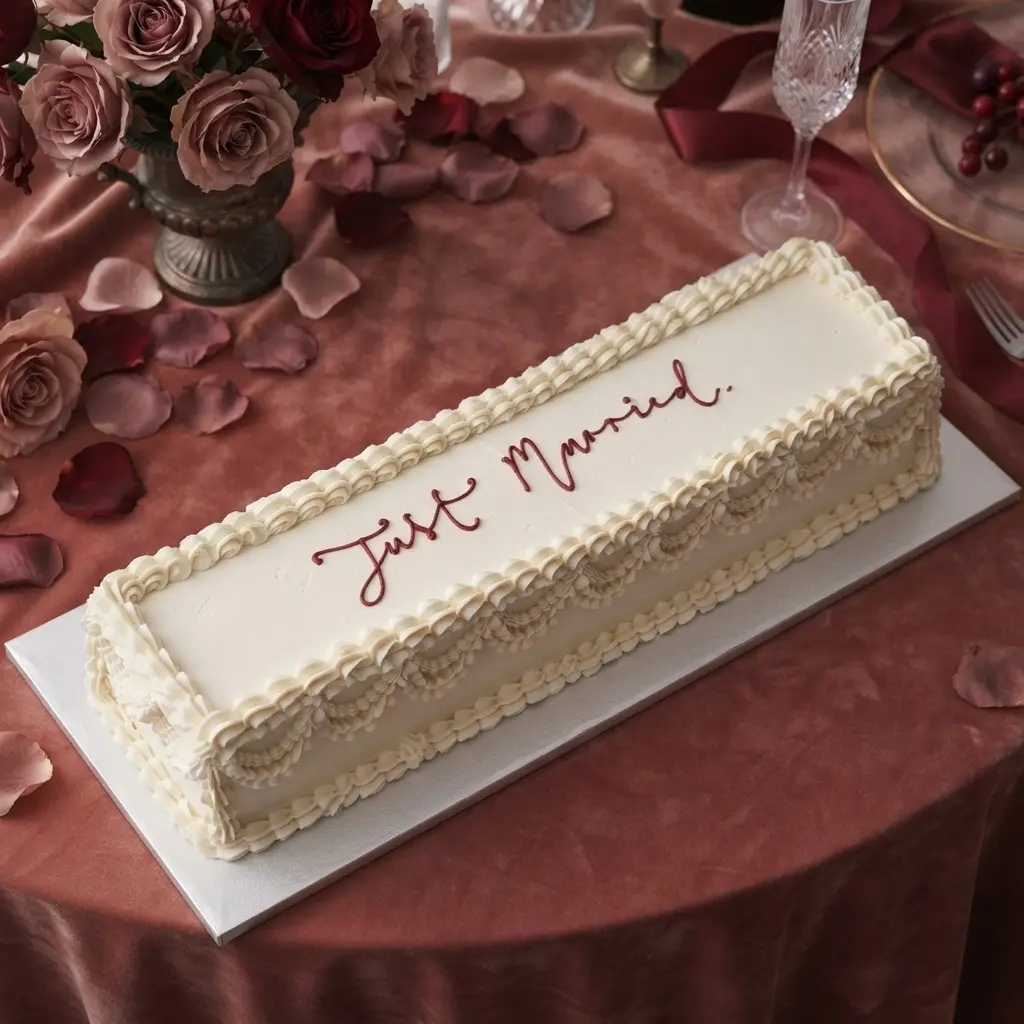
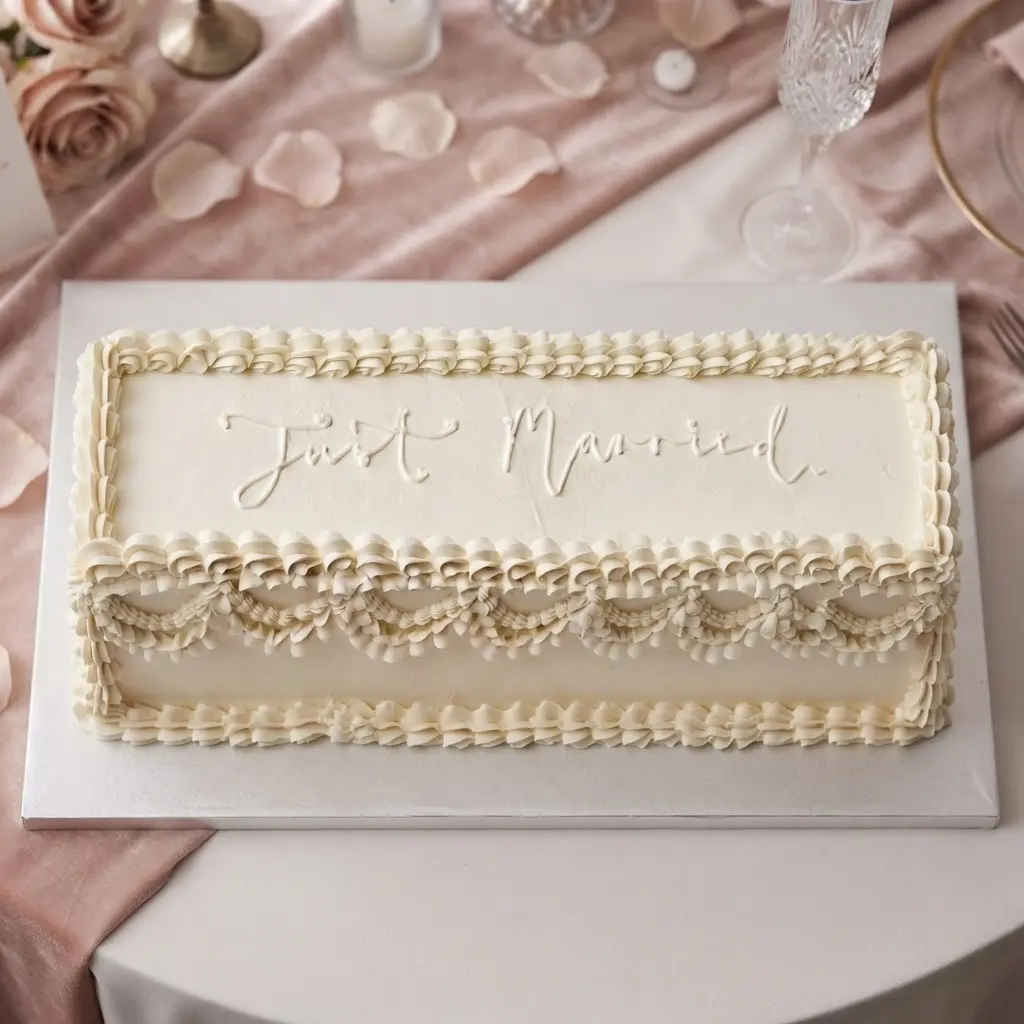
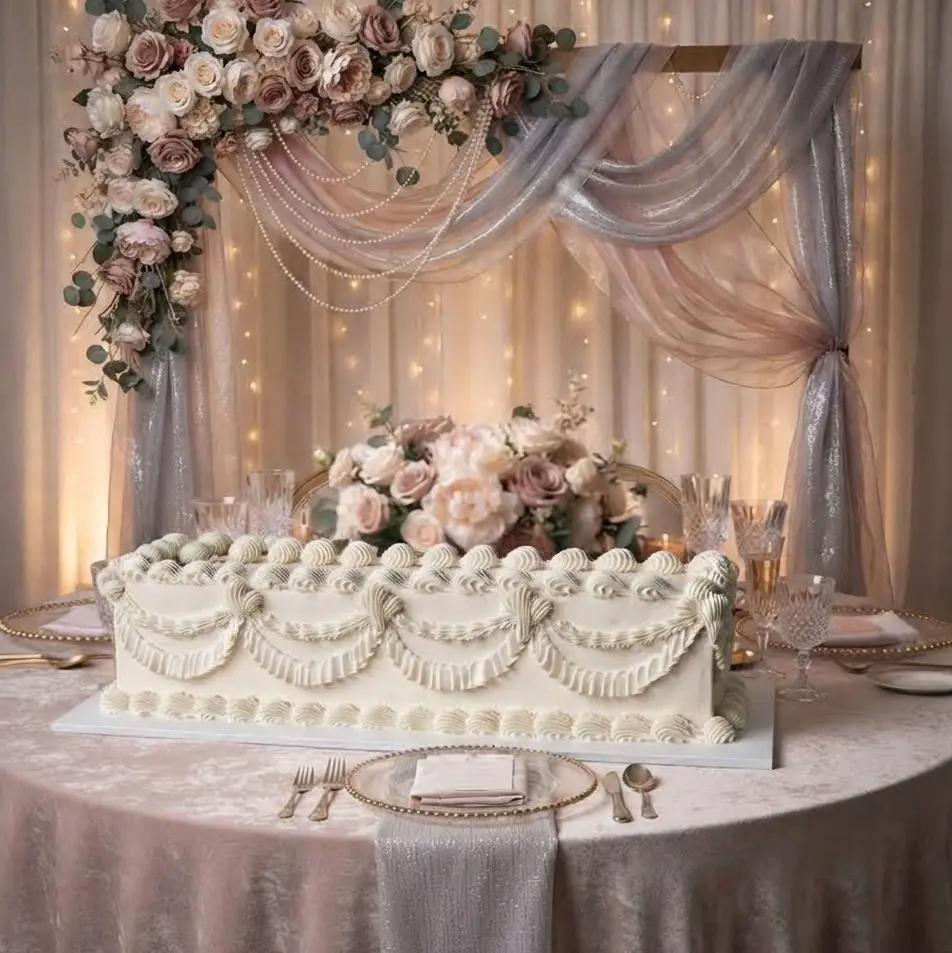
There’s just something about buttercream wedding cakes, isn’t there? I mean, when you picture a wedding cake—whether it’s towering with multiple tiers or something simpler and more understated—chances are, you’re picturing smooth, elegant buttercream. It’s almost like the default mental image for a classic wedding cake. But why is it that buttercream wedding cakes have become so popular in Canada?
Well, it’s probably a mix of factors, some of which are obvious, while others might be more subtle. For starters, buttercream has this, I don’t know, approachable elegance to it. It’s not overly fussy like fondant can be, which some people find a bit stiff or even, dare I say, bland. With buttercream, you get something that looks polished enough for a formal occasion but still feels inviting. It’s the kind of cake that makes you want to dig in, not just admire it from afar.
Also, let’s be honest—taste matters. A lot. I mean, no one wants a wedding cake that looks stunning but falls flat in terms of flavor. Buttercream has this creamy, rich texture that pairs beautifully with all kinds of cake bases—vanilla, chocolate, red velvet, even more unique flavors like lemon or lavender. There’s a smoothness to it, a slight hint of sweetness that doesn’t overpower, and it plays well with fruit fillings, ganaches, and pretty much anything you can think of. I remember my cousin’s wedding a couple of years ago—she had this stunning three-tier buttercream cake with fresh raspberry filling, and honestly, it was one of the best cakes I’ve ever tasted. The balance between the tart berries and the rich buttercream was just perfect.
Now, that’s not to say buttercream is without its challenges. It’s a bit temperamental, I’ll admit. It’s sensitive to temperature and humidity, and if not handled properly, it can look a little less refined than fondant. Some people might even say it’s a bit too casual for a formal wedding. But somehow, in Canada at least, couples seem to embrace that slight imperfection. There’s a certain charm in a cake that looks like it was crafted by hand, not machine. It feels real. And maybe that’s part of why buttercream cakes resonate so much here—they feel authentic.
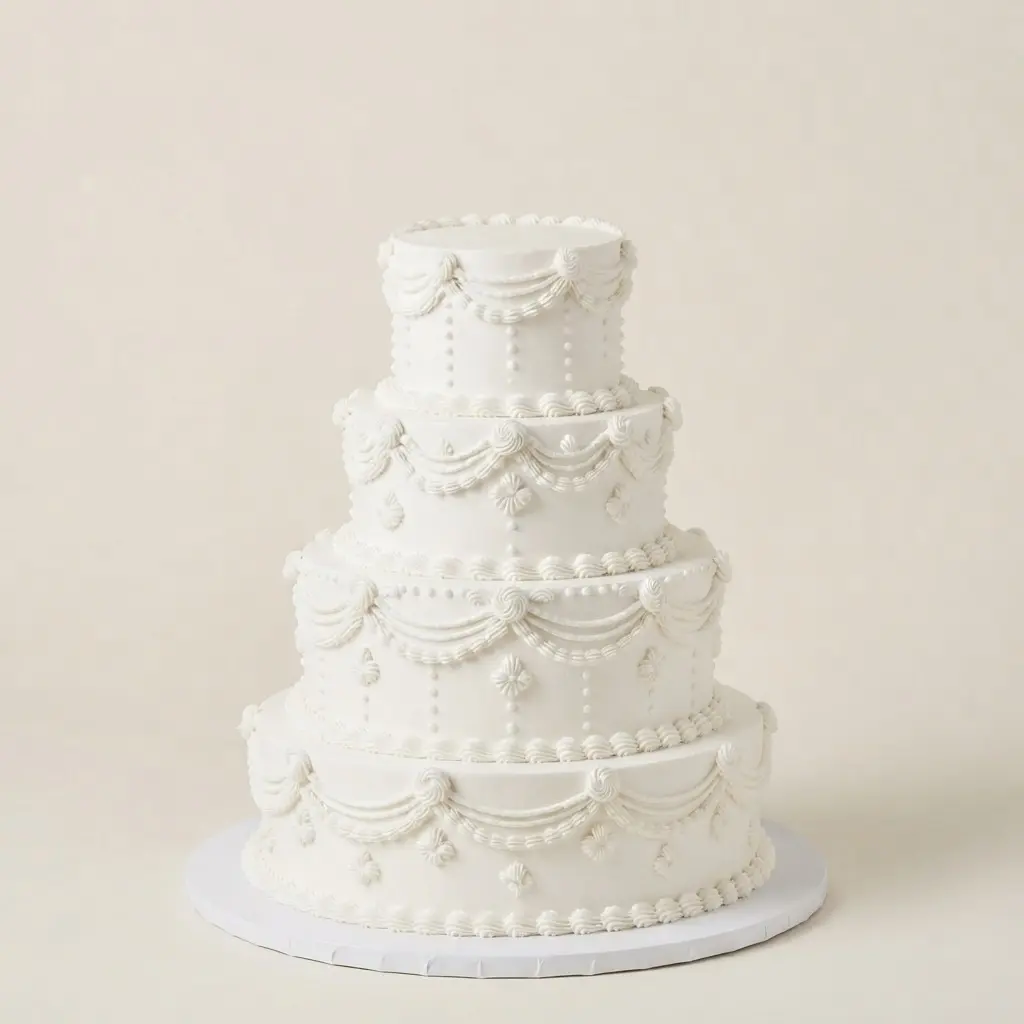
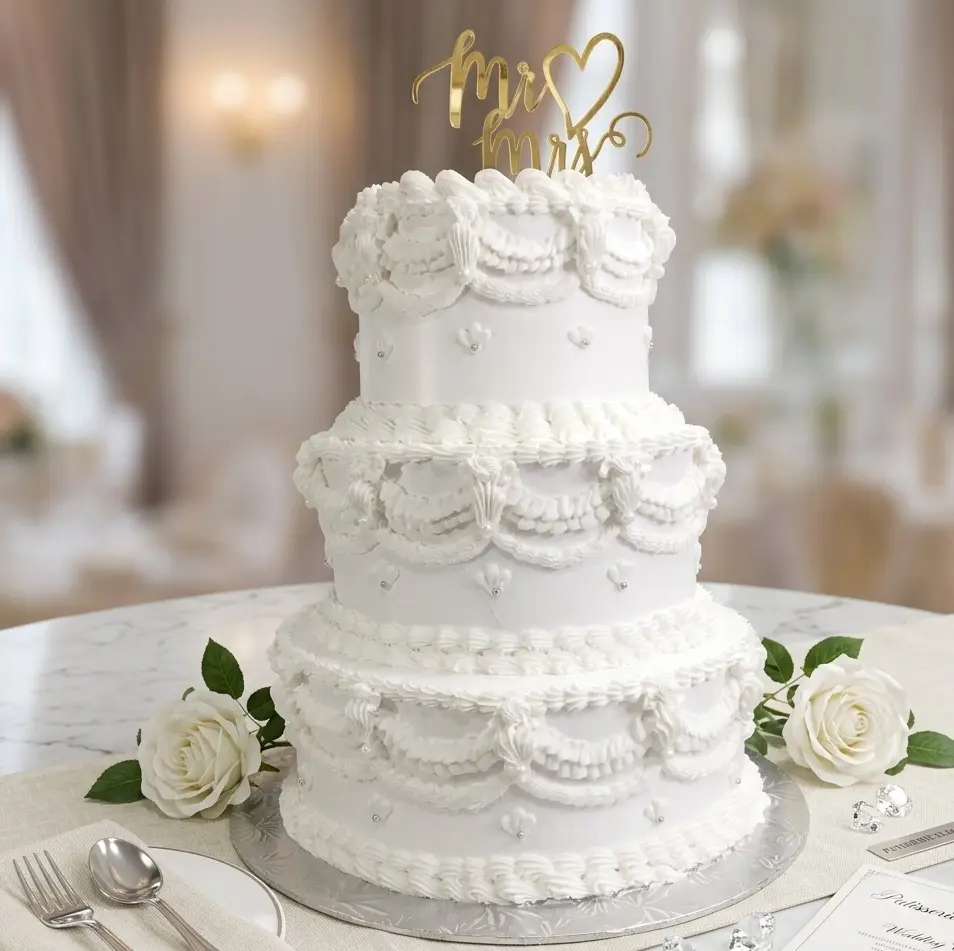
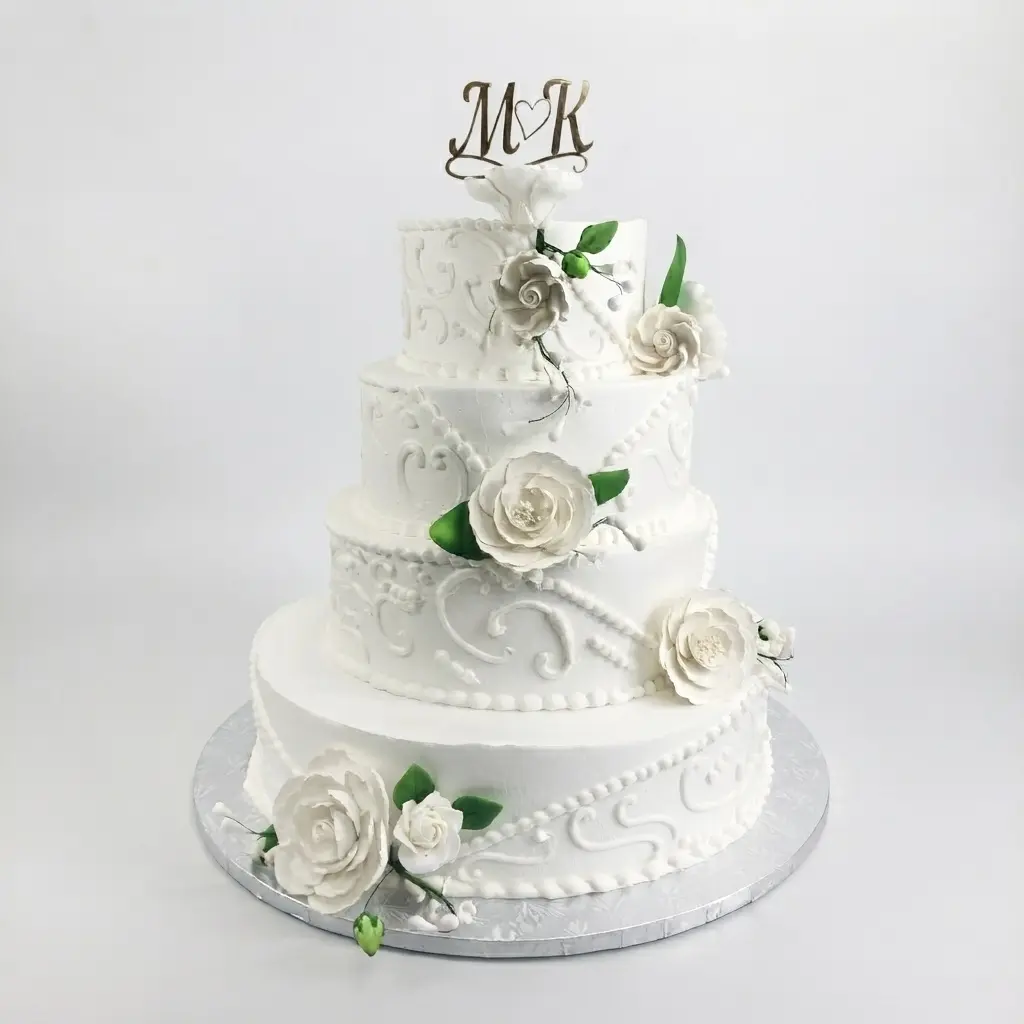
Another factor is versatility. Buttercream can be styled in so many ways, from sleek and smooth finishes to textured designs like ruffles, rosettes, or even rustic spatula strokes. It can be tinted in soft pastels, bold colors, or left a clean, creamy white. And let’s not forget floral accents—fresh flowers, in particular, look absolutely gorgeous against a buttercream backdrop. There’s something about the contrast between delicate blooms and that creamy canvas that just works. I once attended a wedding in Toronto where the couple opted for a semi-naked buttercream cake, adorned with clusters of peonies and eucalyptus leaves. It was simple, but so stunning. And it fit the relaxed, garden-party vibe of the celebration perfectly.
Of course, cost is another thing to consider. Fondant-covered cakes, while beautiful, tend to be a bit pricier because they require more labor-intensive techniques. Buttercream, on the other hand, is generally a more budget-friendly option, though it’s not exactly “cheap.” High-quality buttercream cakes still command a fair price, especially from skilled bakers who know how to balance aesthetics with taste. But for many couples, it’s that sweet spot between affordability and elegance.
Interestingly, I’ve noticed that buttercream wedding cakes aren’t always perfectly smooth. Sometimes, there are little ridges, or the frosting has a slightly uneven texture. And you know what? People seem to love that. It gives the cake character. It’s like seeing brushstrokes on a painting—it reminds you that a real person made it. Maybe that’s part of why buttercream resonates so well in Canada, where there’s often an appreciation for craftsmanship and a certain understated charm.
And let’s not forget the practical side of things. Buttercream cakes are easier to cut and serve than fondant-covered ones. The frosting is softer, the slices glide through more smoothly, and guests aren’t left peeling off a thick layer of fondant before they can enjoy their dessert. There’s something to be said for a cake that’s as easy to eat as it is beautiful.
That said, some people might argue that buttercream cakes are a bit overdone—like, are we all just playing it safe by going with buttercream? Shouldn’t we be pushing boundaries, trying new things? I can see that perspective, and yet, there’s a reason certain traditions stick. Buttercream offers a balance of beauty, taste, and familiarity that appeals to a broad range of tastes. Not everyone wants a cake that’s daringly different. Some people just want something that looks lovely, tastes delicious, and feels like a wedding cake should.
I also think there’s a psychological comfort in buttercream. It’s what many of us grew up with—birthday cakes, family gatherings, holiday treats. There’s a nostalgic quality to it, and bringing that into a wedding context adds a layer of emotional connection. Even if the wedding is ultra-modern or minimalist, a buttercream cake adds that touch of warmth.
I remember one wedding where the couple had a buttercream cake with subtle gold leaf accents and a scattering of edible flowers. It wasn’t flashy, but it was elegant and inviting. And the guests? They kept going back for seconds. I overheard one woman saying, “I don’t usually like wedding cake, but this is really good.” That, to me, says a lot.
Of course, trends change. There’s always a new “it” cake on the horizon—mirror glaze, hand-painted designs, towering croquembouche. But buttercream has staying power. It adapts to trends while maintaining its core appeal. Maybe in the next few years, we’ll see more daring buttercream designs—incorporating metallics, textured finishes, or bold color palettes. But the heart of it—the creamy, delicious frosting that makes people smile—will likely stay the same.
At the end of the day, buttercream wedding cakes have carved out their place in Canadian celebrations for a reason. They’re versatile, approachable, and delicious. They can be dressed up or kept simple. They can feel traditional or modern, depending on the couple’s style. Sure, they might not be the boldest choice on the table, but there’s something comforting, even reassuring, about a buttercream cake.
Maybe that’s it—the buttercream wedding cake is a bit like the quiet guest at the party who doesn’t demand attention but wins everyone over anyway. It’s familiar, but never boring. And in a world where wedding trends come and go, that’s something worth celebrating.