



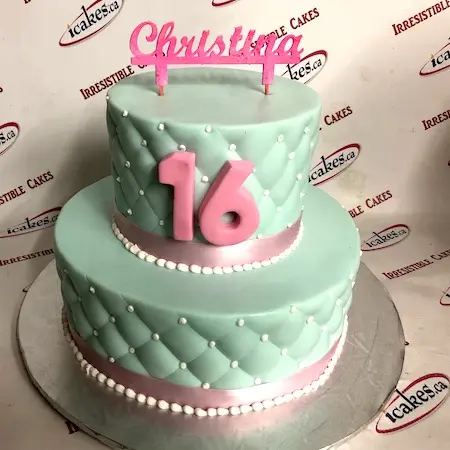


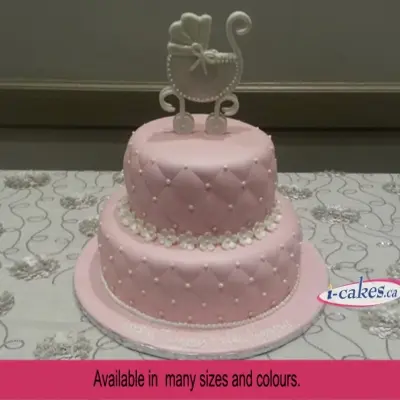


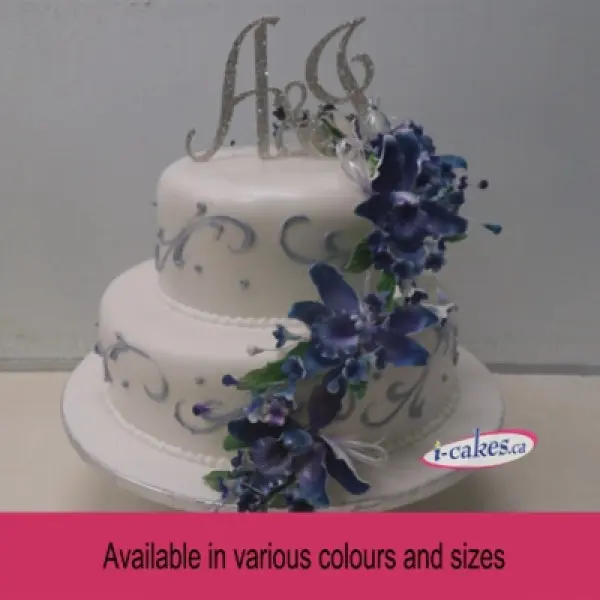


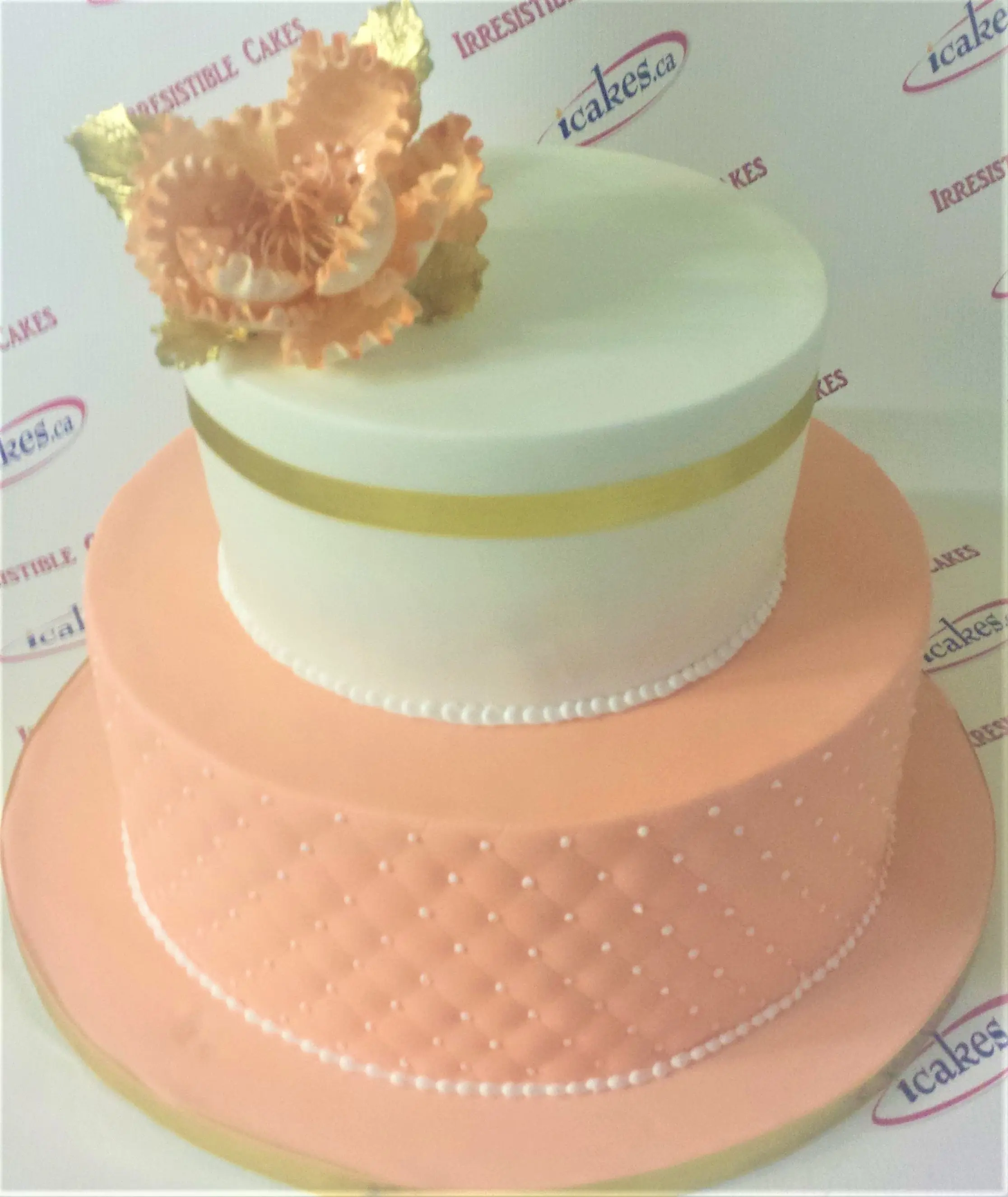











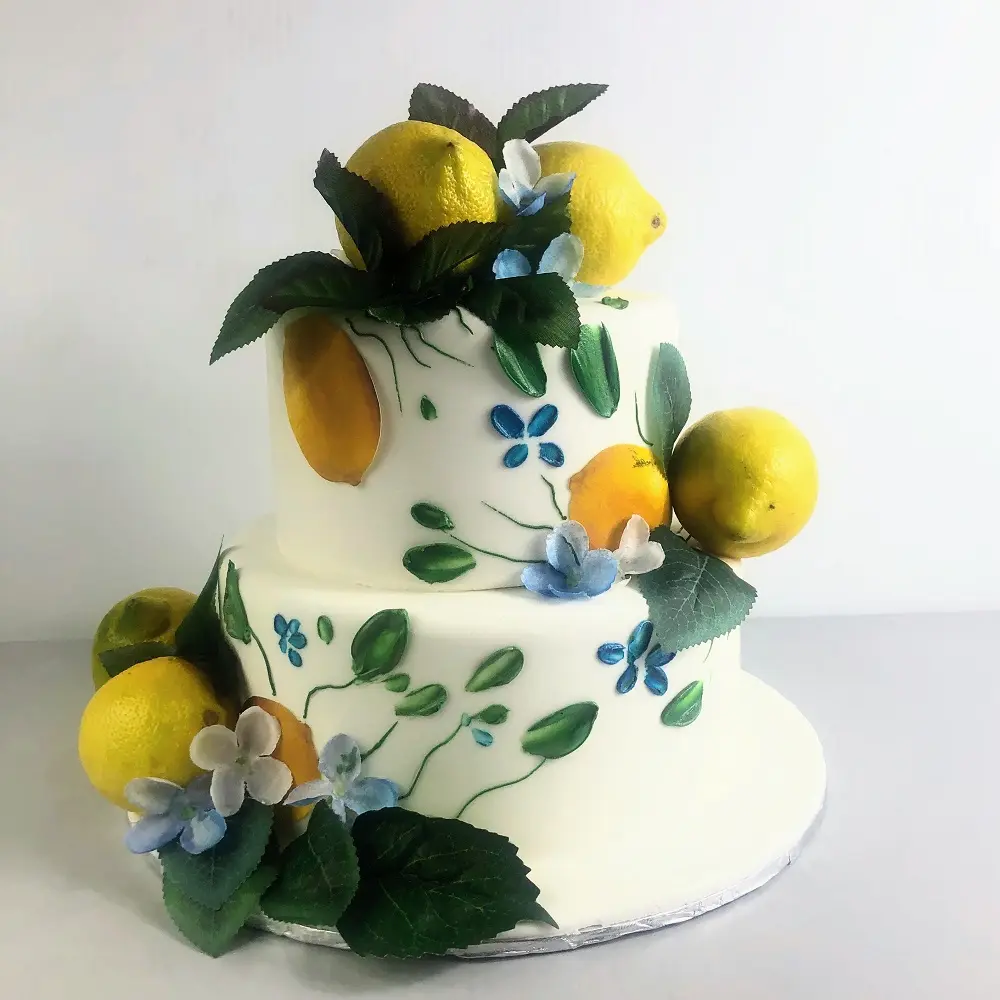
There’s just something about a 2-tier cake that feels, I don’t know, complete. Maybe it’s the way it adds height and presence to a dessert table, or maybe it’s just that extra layer—it makes a cake feel a little more celebratory. I’ve seen these cakes at birthdays, weddings, anniversaries, and even small, informal gatherings where someone just wanted the occasion to feel a touch more special.
I guess it’s partly the visual impact. A single-tier cake, no matter how beautifully decorated, often feels a bit... modest? But when you add that second layer, the cake instantly looks more elegant, like it was made for a moment worth remembering. It’s tall enough to catch attention but not so towering that it becomes over-the-top. People like that balance, I think. It says, “This is a celebration,” but without screaming it.
Another reason why 2-tier cakes are so popular in Canada—well, I suspect it’s practicality, too. The second tier doesn’t just add height; it adds more servings. Let’s be honest, Canadians are pretty pragmatic. If you’re hosting a group of, say, 20 or 30 people, a single-layer cake might not cut it. A 2-tier design lets you serve everyone without having to bake two separate cakes. It’s one cake, neatly stacked, ready to be sliced.
But there’s also the variety factor. With two tiers, you can mix flavors. Maybe the bottom layer is chocolate, rich and indulgent, while the top tier is something lighter—vanilla with a hint of lemon, perhaps. Or maybe it’s the other way around. Either way, having that option makes it easier to please a wider range of guests. I’ve seen people’s eyes light up when they realize the second tier is something different from what they were expecting. It’s like a small surprise built into the cake.
Now, some might argue that a multi-tiered cake could feel a bit formal, even old-fashioned. I get that. In some ways, it does harken back to the traditional wedding cakes we used to see—those towering confections with multiple layers, each meticulously decorated. But a 2-tier cake avoids that level of formality. It’s approachable. It works for a family birthday party just as well as for a more upscale gathering. I think that’s why it’s stuck around, and in fact, grown more popular.
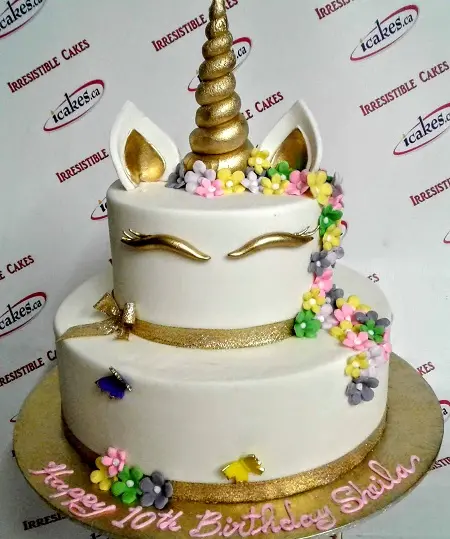
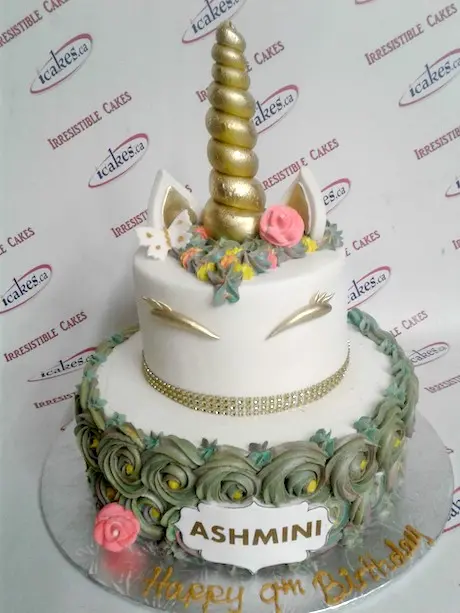
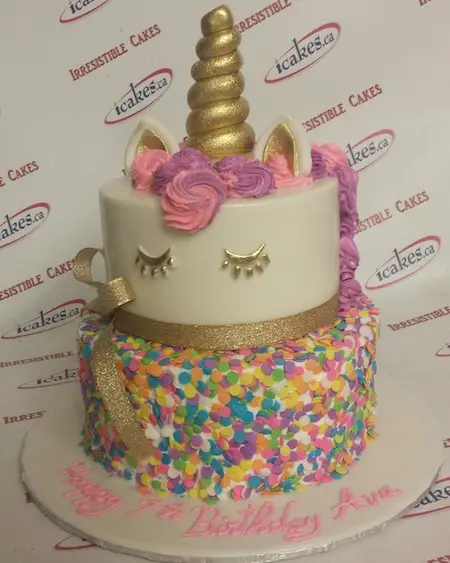
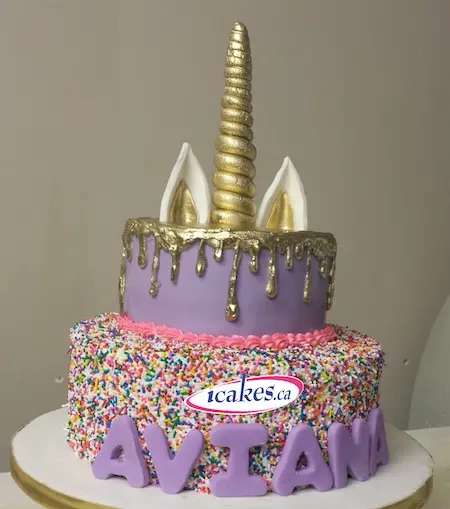
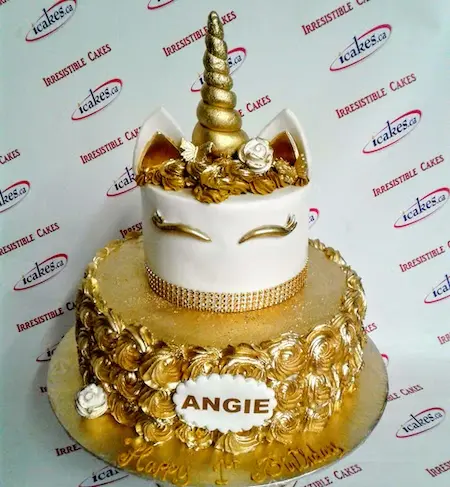
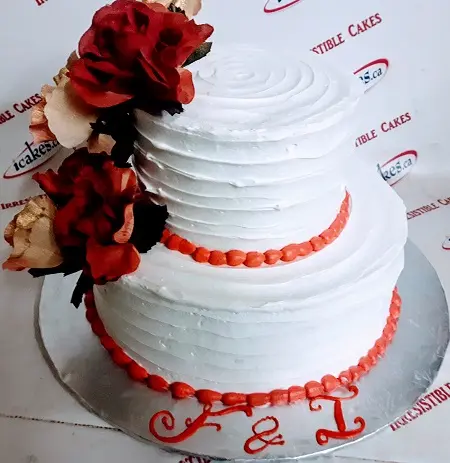
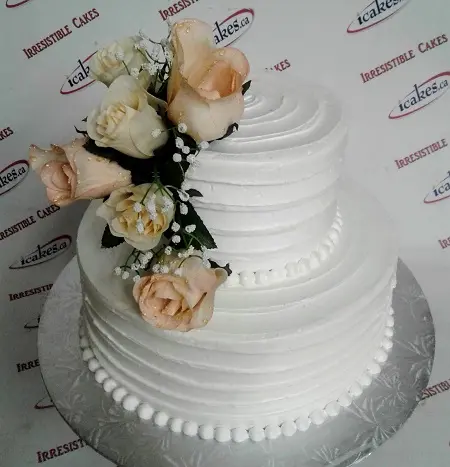
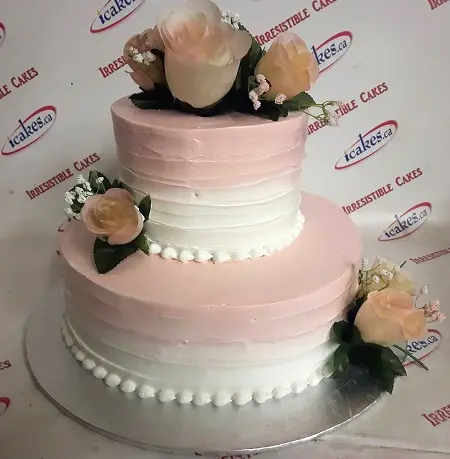
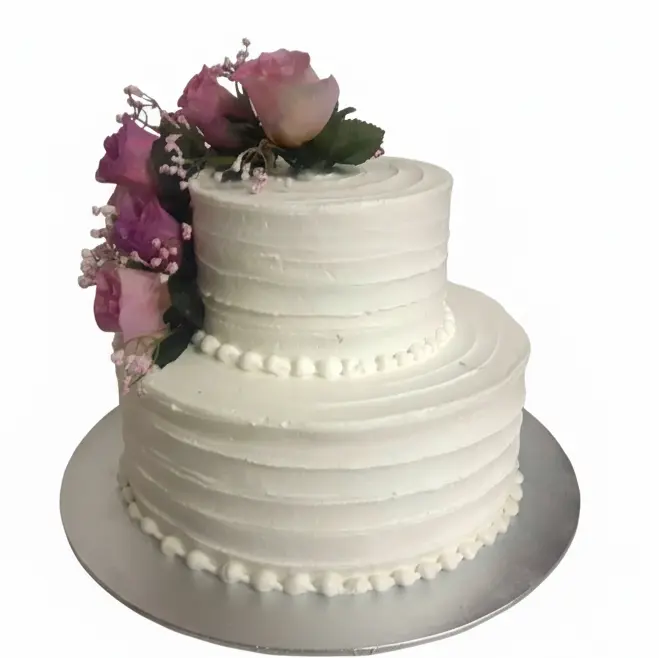
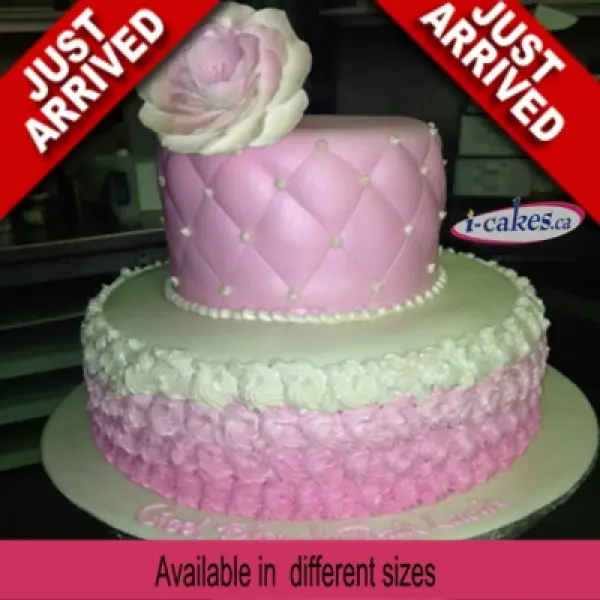
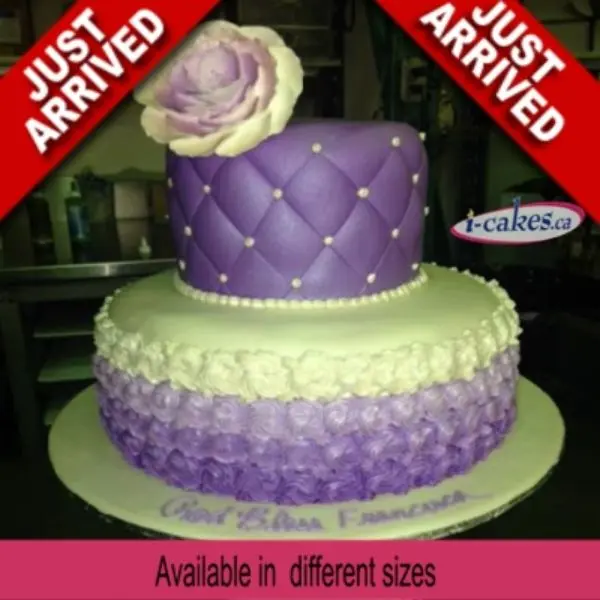
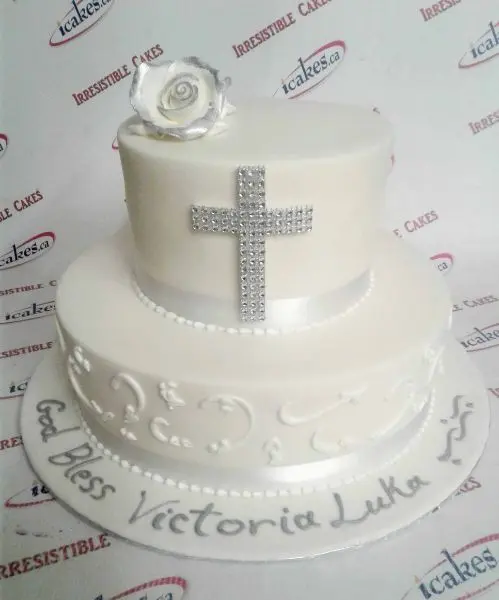
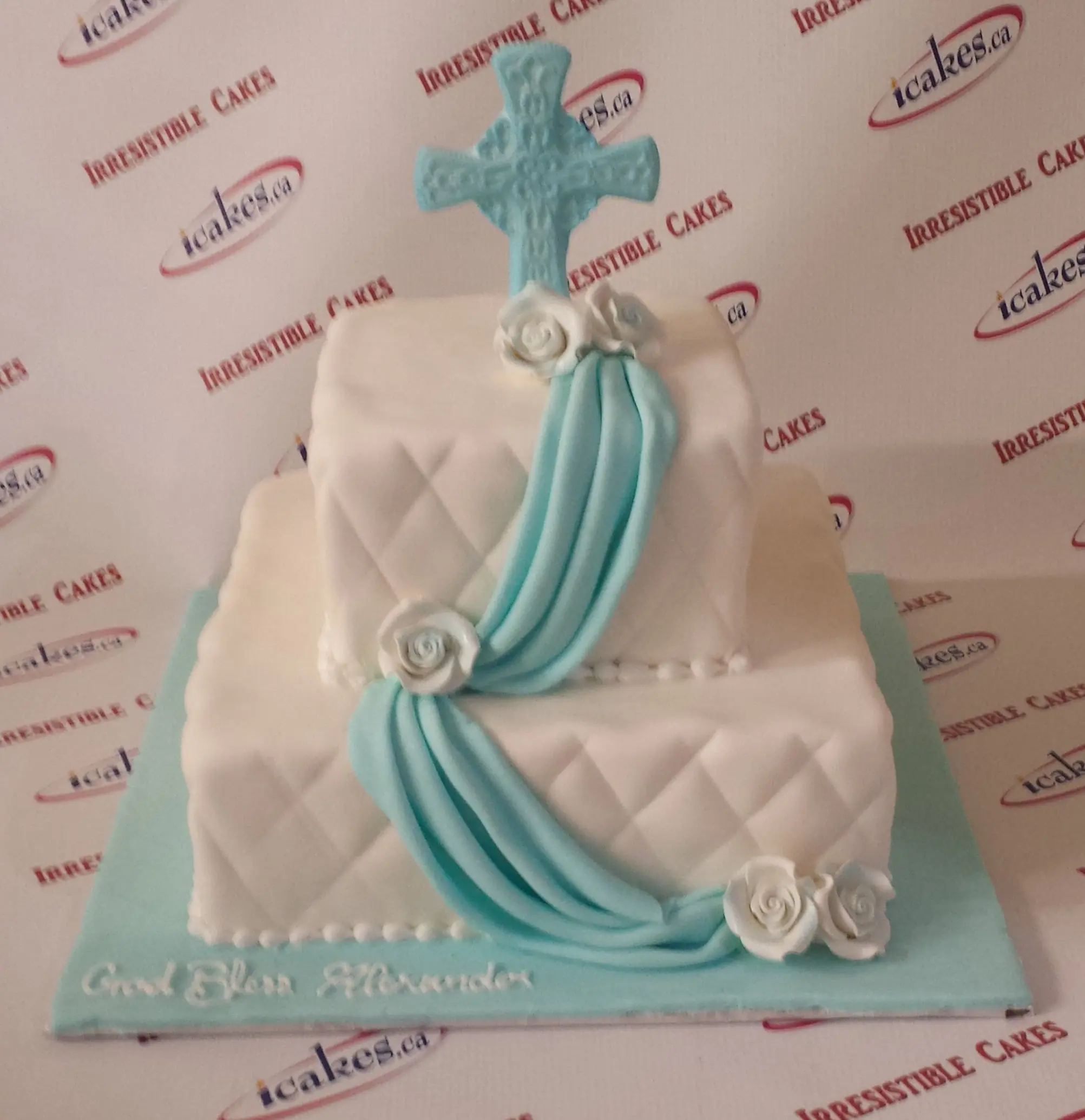
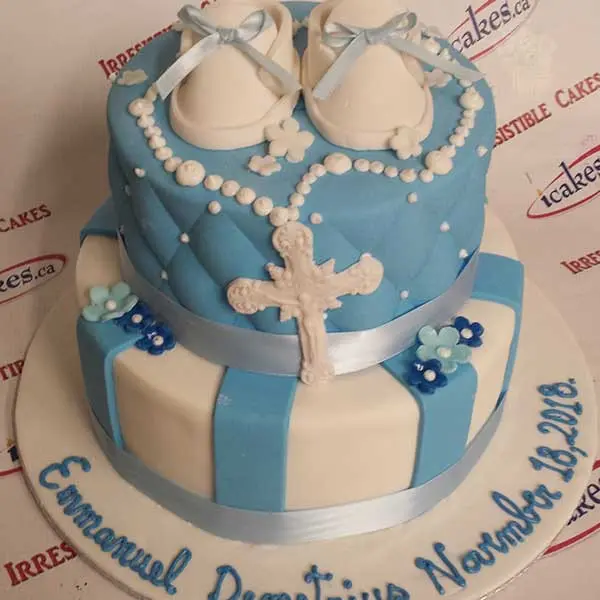
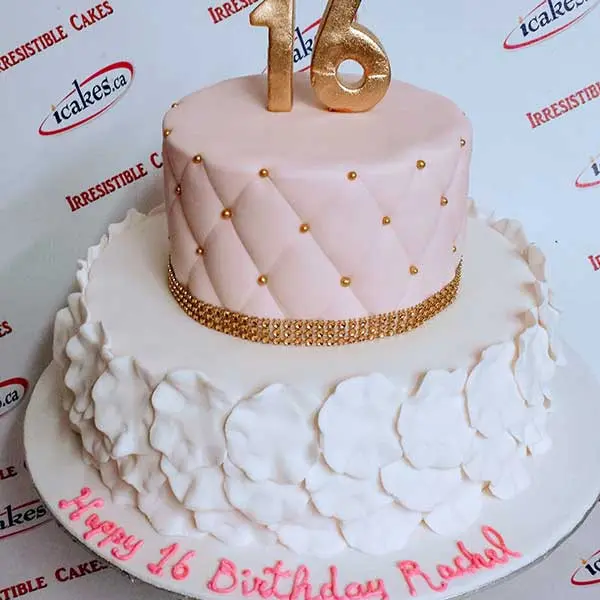
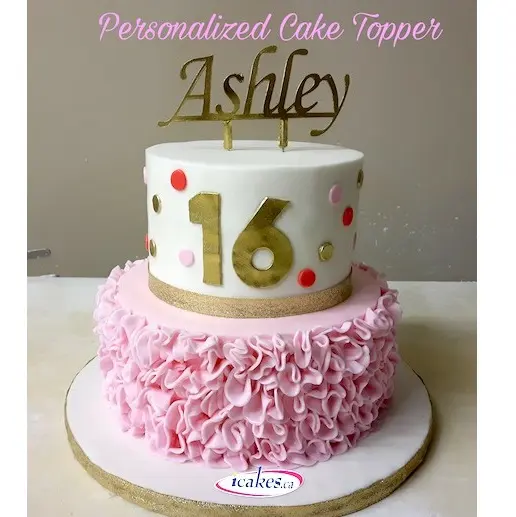
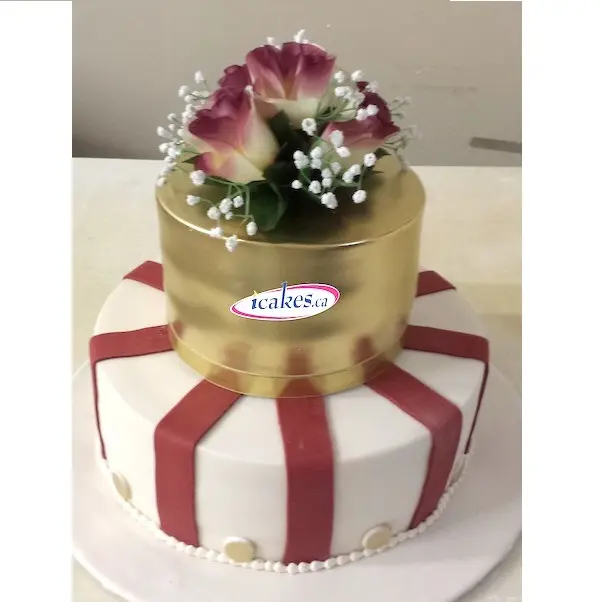
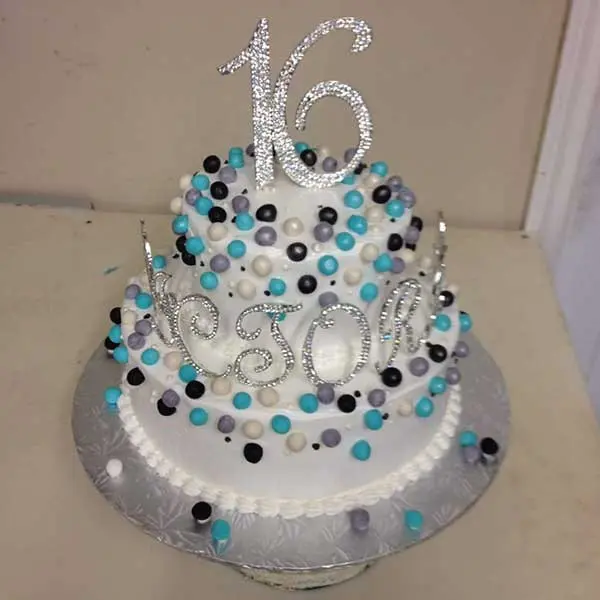
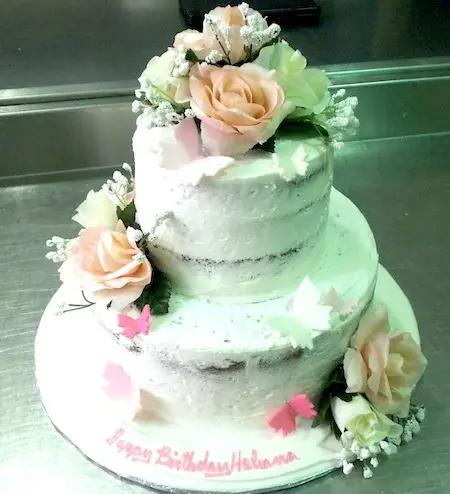
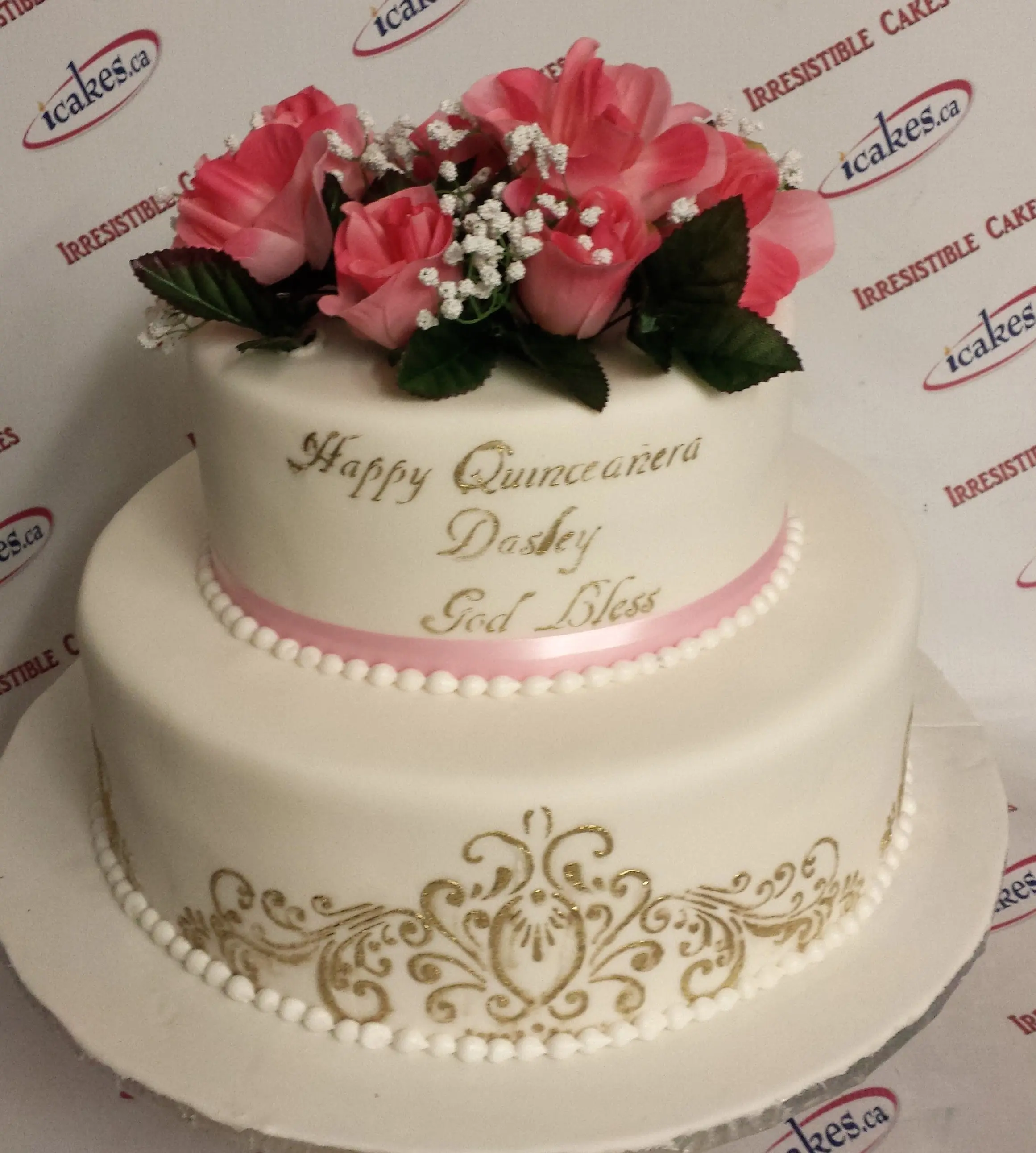
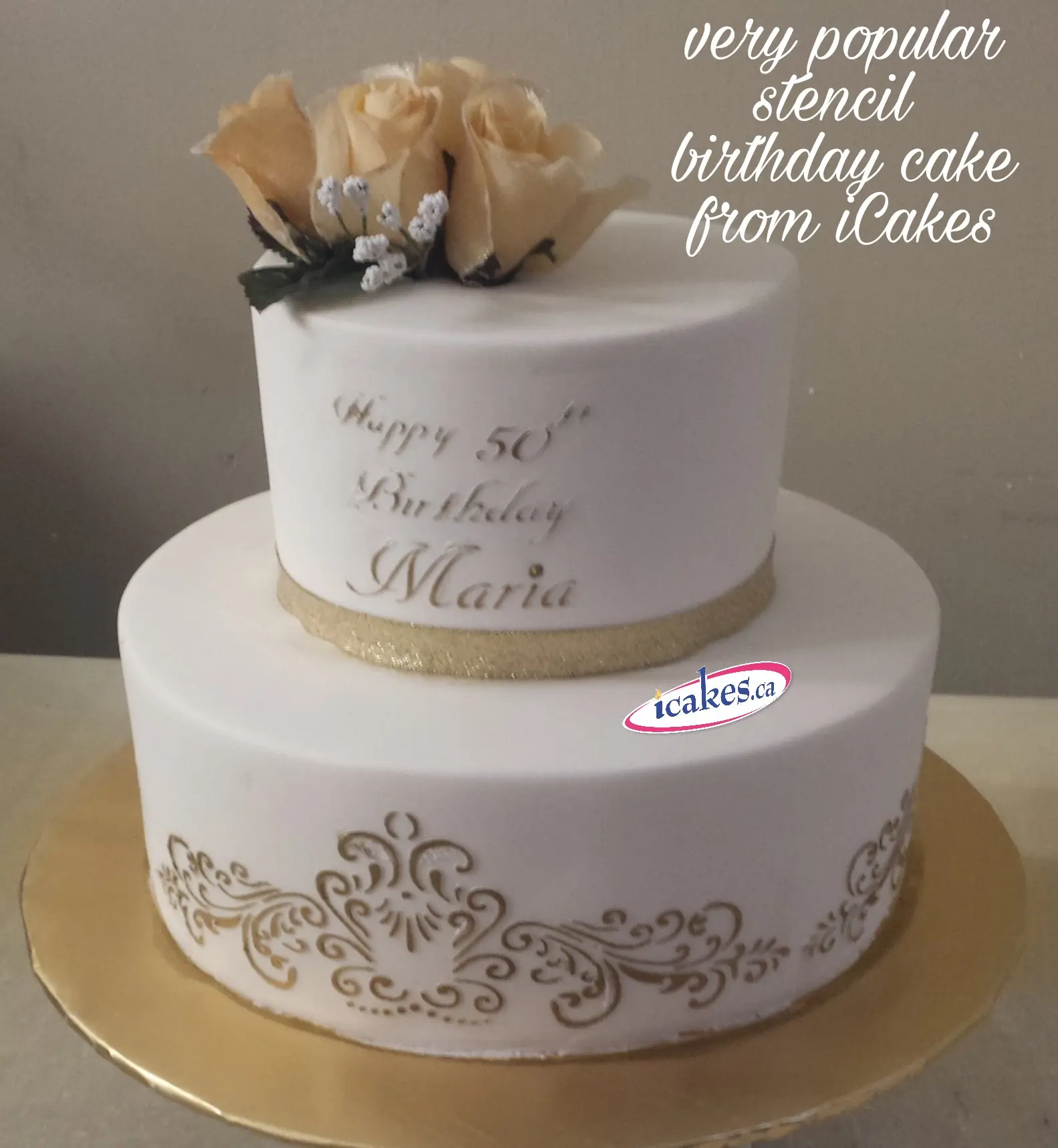
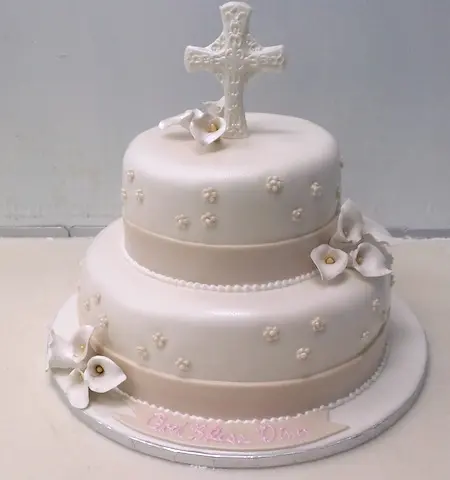
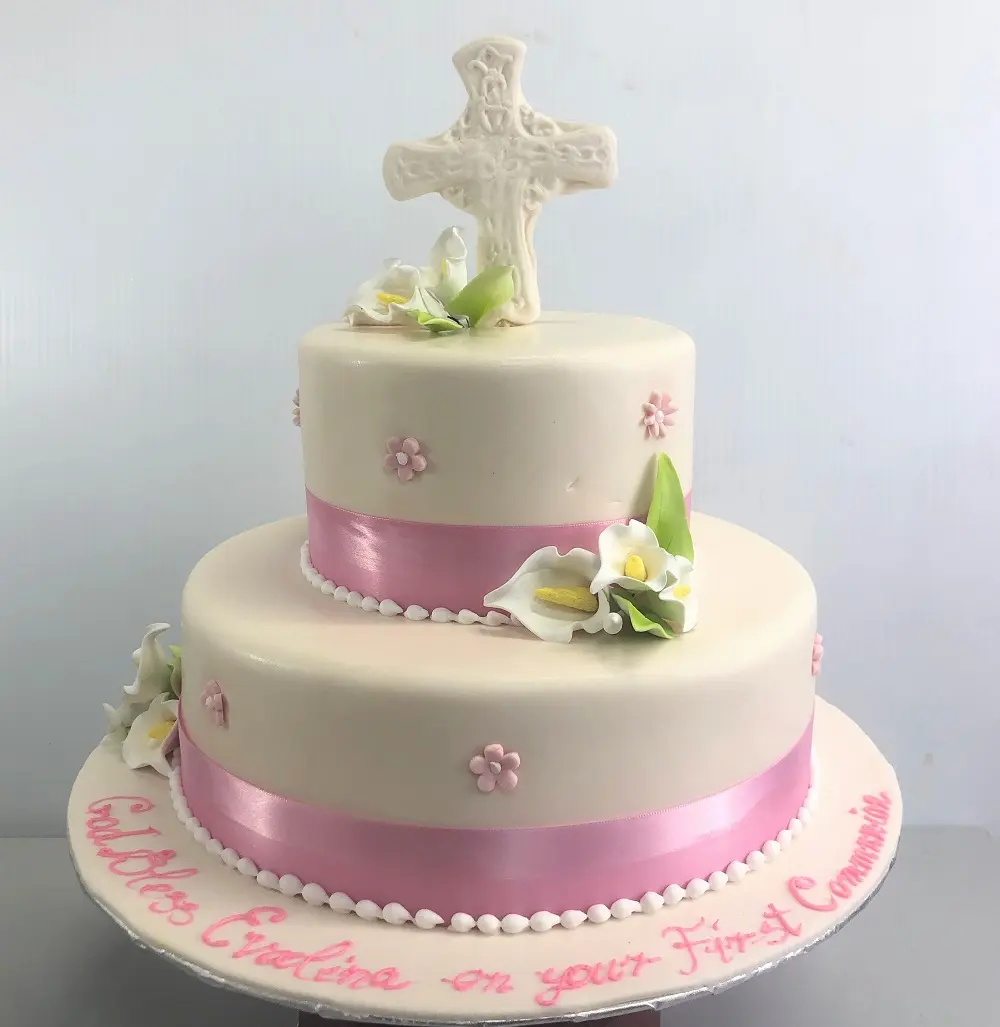
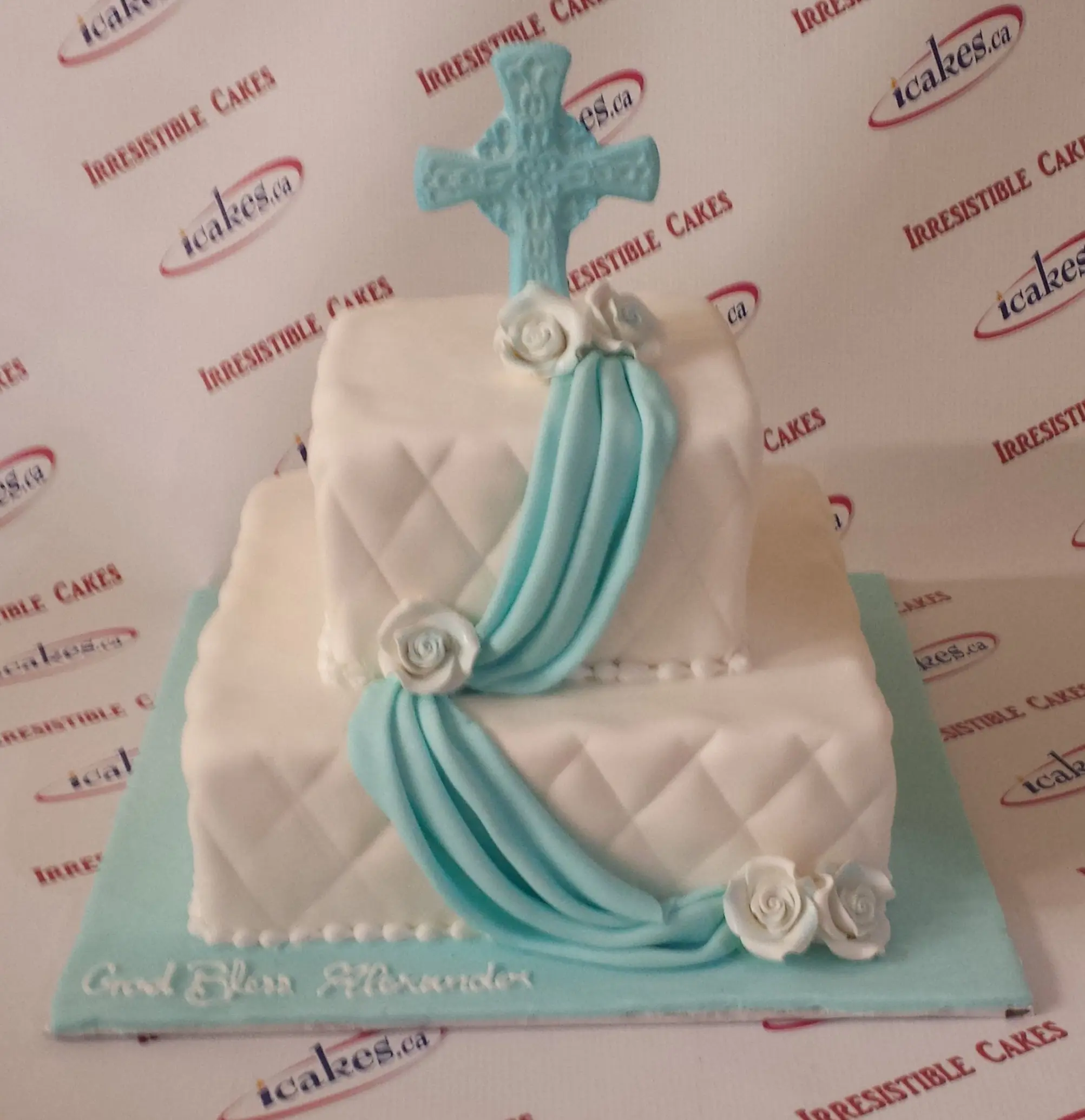
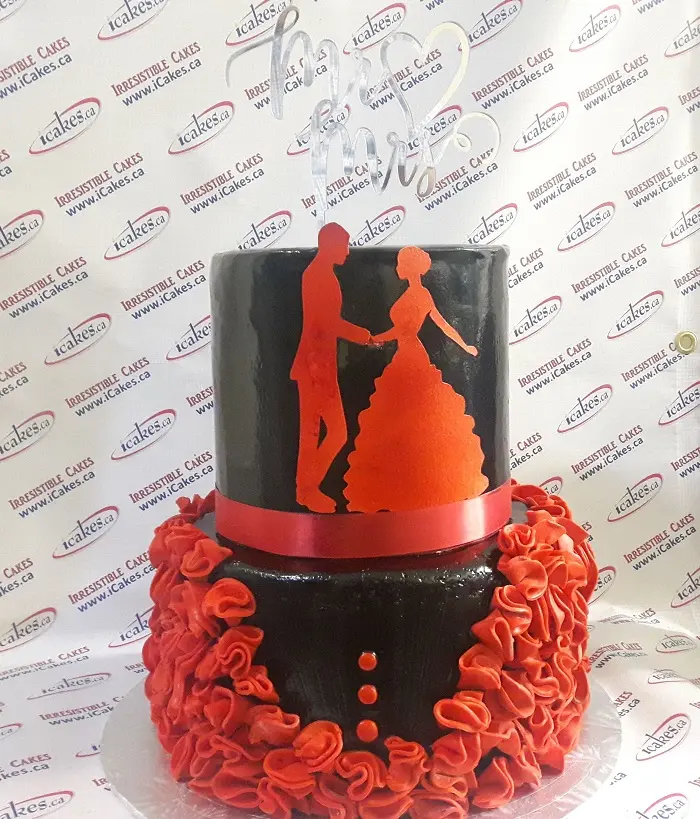
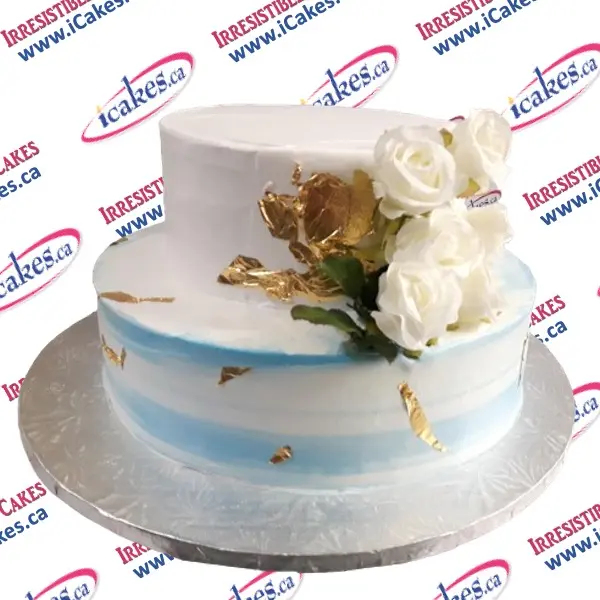
Let’s talk about design for a moment. With two tiers, bakers can get a little more creative. They have more surface area to play with—more space to add textures, colors, and designs. I’ve seen cakes where the bottom layer is smooth and sophisticated, perhaps with a marbled fondant finish, while the top is whimsical, covered in bright sprinkles or adorned with sugar flowers. There’s room for contrast, or for a seamless flow from one tier to the next.
And I have to admit, there’s something satisfying about watching a baker stack the second tier onto the base layer. It’s like a little architectural moment—one that adds anticipation. You know the cake isn’t done until that second layer is in place. And once it is, the cake just looks... finished.
Of course, there’s the social side of it too. Let’s not ignore that. In a time when people love to share moments online, a 2-tier cake photographs beautifully. It stands tall enough to make a statement, even from across a room. And when you post a photo of a 2-tier cake on Instagram, it just looks more impressive than a flat, single-layer one. I know a friend who once admitted she ordered a two-tier cake “just because it looked better for photos,” even though it was just a small family gathering. There’s a touch of humor in that, but it also says something about how people think now.
But it’s not all about appearances. Taste still matters. A 2-tier cake has to deliver on flavor and texture, or it’s just a pretty centerpiece. And the good news is, Canadian bakeries have really upped their game. I’ve tried 2-tier cakes from a few local spots—small bakeries in Toronto, a cozy patisserie in Vancouver, even a family-run shop in Halifax—and the quality has been consistently good. Moist, flavorful layers, not overly sweet, with frostings that feel rich but not cloying. There’s real craftsmanship involved.
Though, I’ll admit, sometimes there’s a tiny voice that wonders if it’s too much. Do we really need a second tier? Could we get by with a single layer and just cut bigger slices? Maybe. But then, when I think about the extra flair, the visual appeal, and the practical benefits (more servings, more flavors), I see why people opt for the second tier. It’s not strictly necessary, but it makes the cake feel more special.
And there’s flexibility. A 2-tier cake doesn’t have to be huge. It can be a small cake with a modest top layer, perfect for an intimate gathering. Or it can be a grander cake with wider, taller tiers, made for a big event. Bakers can scale the design up or down, which makes it a versatile choice. That adaptability might explain part of its popularity—one size doesn’t have to fit all.
Another thing I’ve noticed, and maybe you’ve seen it too, is how a 2-tier cake creates a sense of occasion. When someone walks in and sees a cake with two tiers, they immediately know it’s a celebration. It could be a wedding, sure, but it could also be a milestone birthday, a graduation, a baby shower. It signals that someone cared enough to go the extra mile. Even if the cake is simple in design, the second tier gives it a little extra importance.
And, of course, cost plays a role. Some might assume a multi-tiered cake is prohibitively expensive. While that can be true for larger, elaborate designs, a basic 2-tier cake can actually be quite affordable, especially compared to ordering multiple separate cakes. Many bakeries offer 2-tier options at a reasonable price point, making them accessible to a wide range of budgets. It’s a practical choice that feels indulgent without being extravagant.
At the end of the day, I think the popularity of 2-tier cakes in Canada comes down to a mix of practicality, aesthetics, and a touch of indulgence. They offer more servings, more design possibilities, and a bigger visual impact—all while still feeling approachable and adaptable. Are they necessary? Probably not. But do they make celebrations feel a little more memorable? I’d say so.
And perhaps that’s the real reason they’ve become a favorite. They’re not trying too hard, but they offer just enough to make an occasion feel special. Whether it’s a birthday, an anniversary, or just a family gathering where someone felt like adding a bit of flair, the 2-tier cake fits the moment. And in a world where we’re always looking for small ways to make everyday events feel a little more extraordinary, that extra tier—well, it just makes sense.